
Haneda Airport rental comparison
Pickup-area car hire
- Best for
- A traveller arriving at Haneda and beginning a suitable drive after pickup.
- Trade-off
- Terminal reception is not always car handoff, and the driver needs to be rested after the flight.
Tokyo
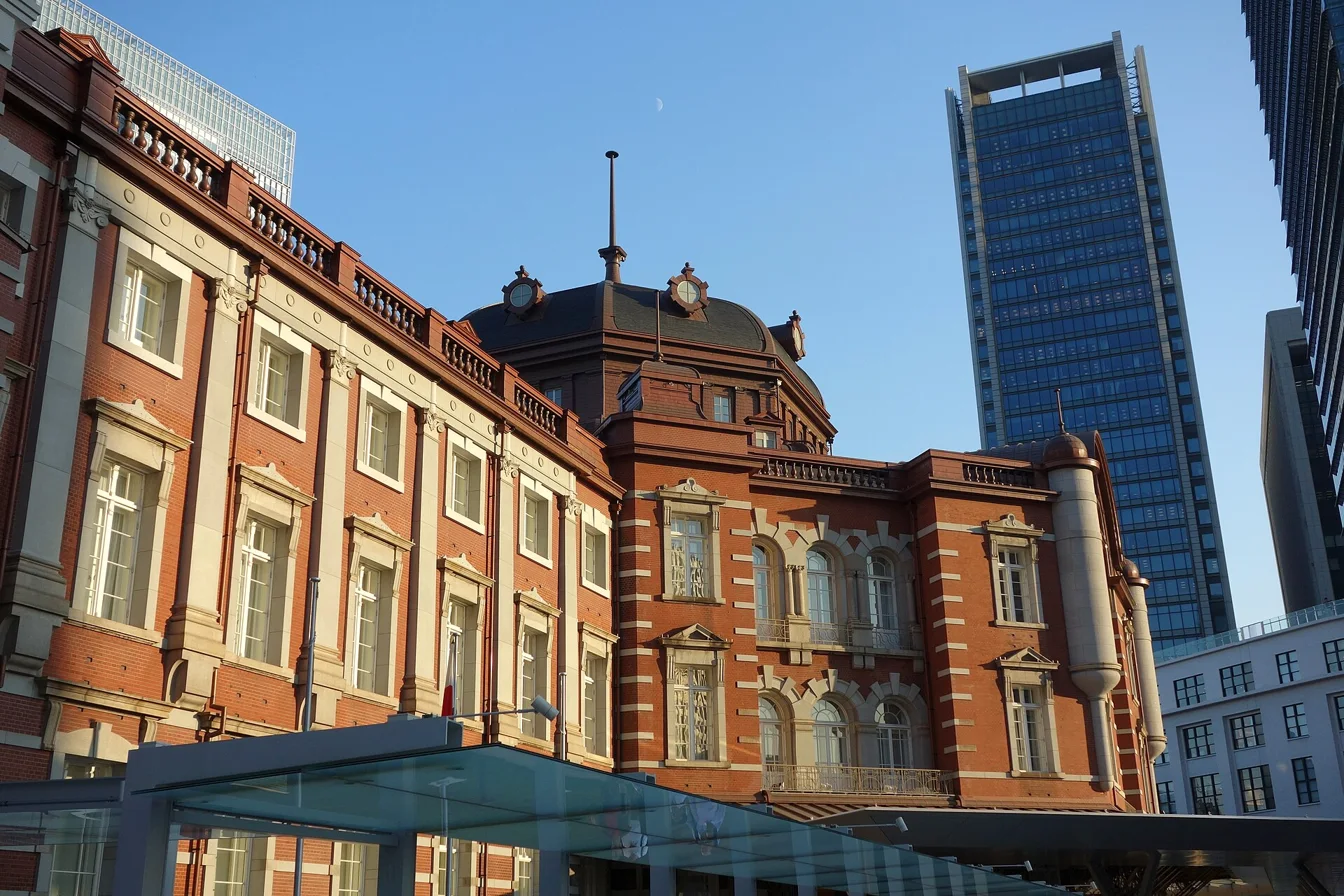
The short answer
Choose Haneda or Narita when it fits your flight and road-trip start. A station office can fit driving after rail or a city stay.
Pickup-area car hire
Pickup-area car hire
Pickup-area car hire
Compare the trip fit, access and drawback before choosing.
| Choice | Haneda for a flight-to-road start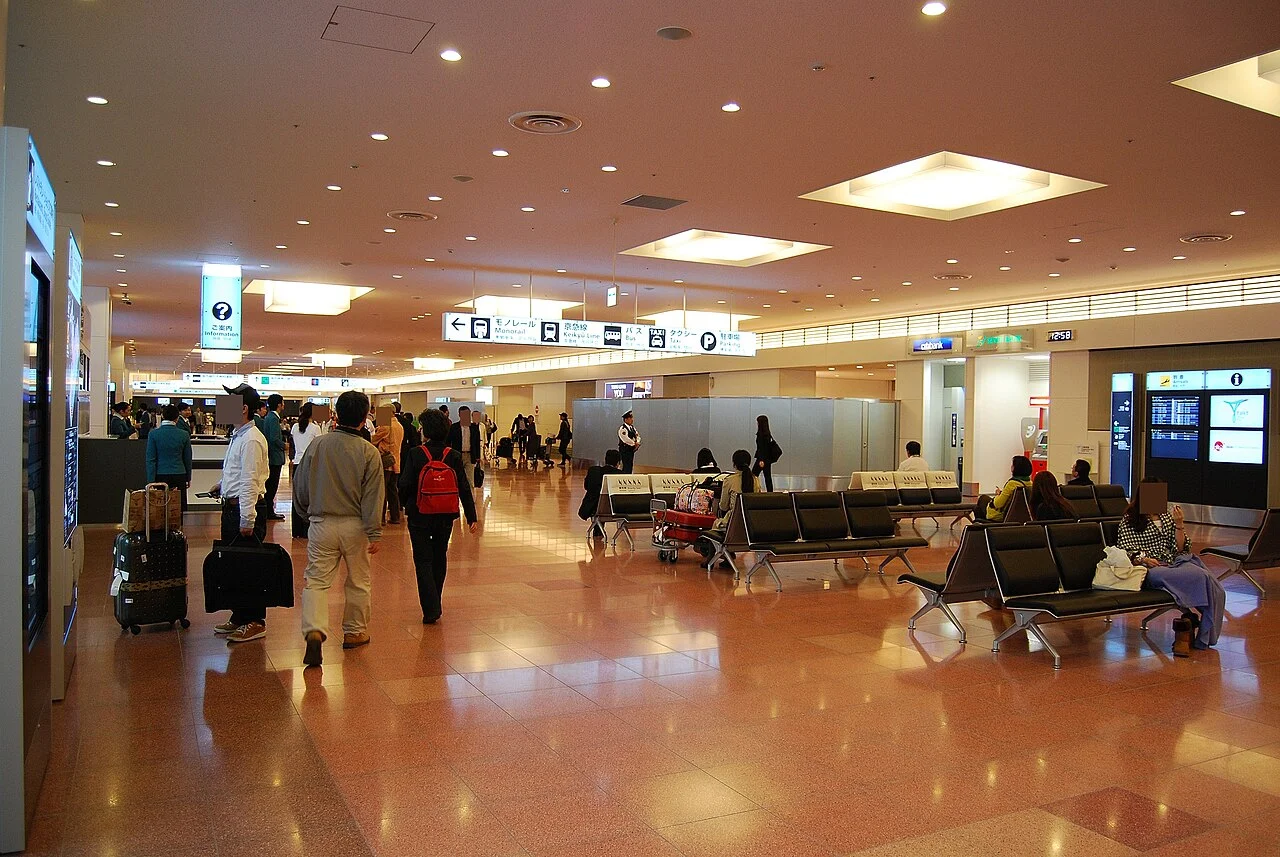 | Narita for a matching airport arrival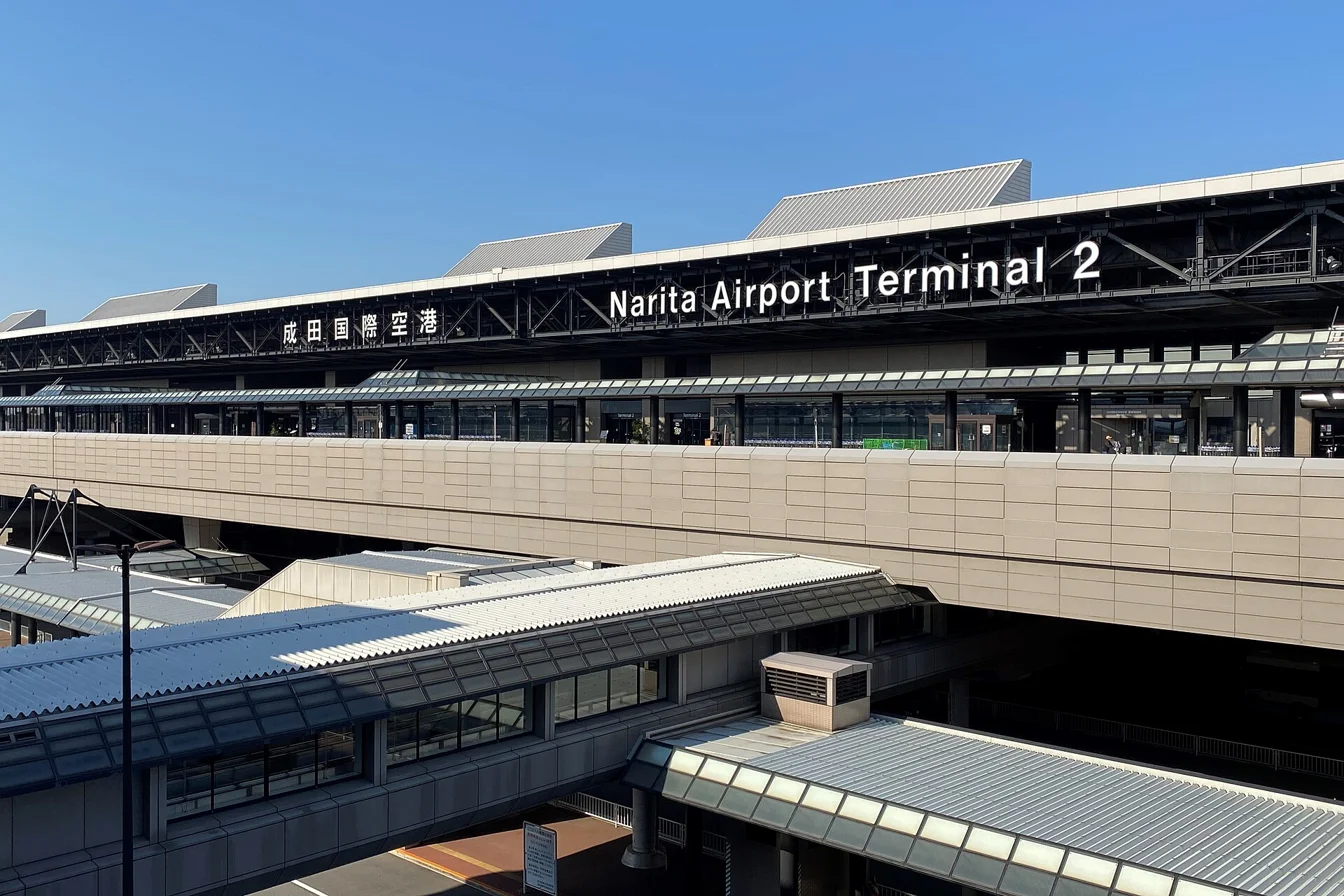 | Tokyo Station or Shinjuku after city travel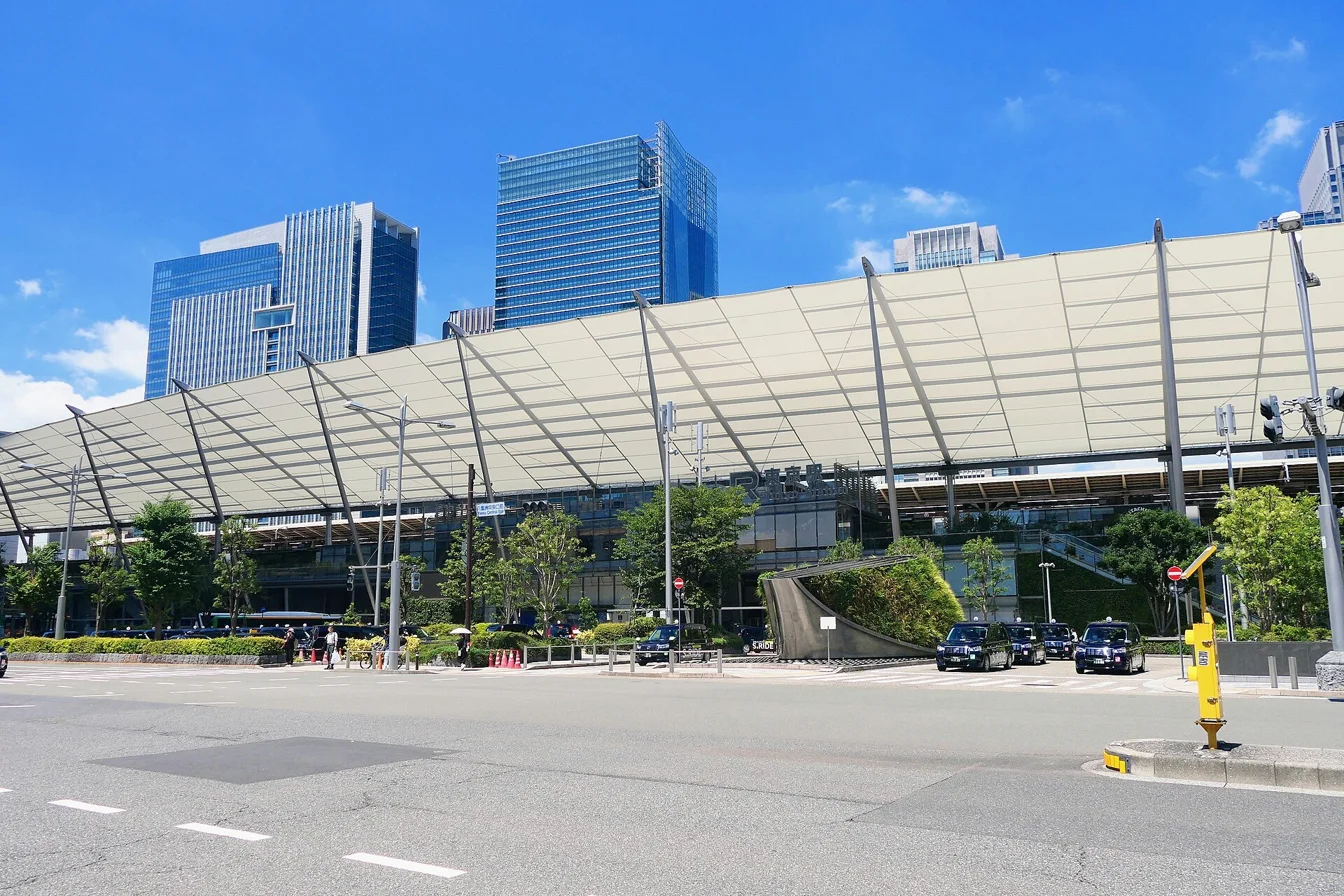 |
|---|---|---|---|
| Best for | A traveller arriving at Haneda and beginning a suitable drive after pickup. | A road segment that begins from a flight at Narita. | A trip that changes from rail or a Tokyo stay to regional driving. |
| Good to know | Haneda lists terminal rental counters. | The airport directory lists rental services, while the SIXT example gives terminal-specific ORIX reception and branch transfer. | The Yaesu and Shinjuku guides document other station approaches, counter levels and return checks. |
| Trade-off | Terminal reception is not always car handoff, and the driver needs to be rested after the flight. | Use Narita's actual office and return, rather than applying Haneda directions. | Bags must reach the office, and departure begins in the city after handoff. |
| Next step | Prepare the Haneda pickup | Read the Narita transfer plan | Compare a Tokyo Station start |
Tokyo airport and station choices serve different travel changes. Match the driving start to the flight, rail arrival or end of the city stay.
| Start | Published access context | Choice to settle |
|---|---|---|
| Haneda | Terminal-exact counters and supplier transfer directions | Correct flight terminal, office and first safe driving stage |
| Narita | Airport services plus the booked company's counter and shuttle route | Exact terminal reception and return-to-airport process |
| Tokyo Station | Yaesu-side example in an underground shopping area | Correct exit, counter and car handoff entrance |
| Shinjuku | Building-level counter and parking example | West-side route and distinct parking level |
| Local regional office | Branch near the regional rail arrival | Whether a shorter local rental avoids an unneeded Tokyo drive |
Plan car rental in Tokyo around the first useful driving day. Compare airport pickup with a later station or city office. If city days come first, the car may sit parked. Add that parking and the eventual return before choosing to keep it throughout.
Mark the first day that needs driving. Then choose the office from the flight, rail arrival or stay preceding it. A familiar airport supplier may still be the wrong start. The car could sit parked through the city days.
Plan the return at the same time as pickup. A flight, train or later city stay needs its own final steps. Save the office and car entrance. Add the onward journey after handoff. “Tokyo” does not make all branches free choices for return.
Read should I rent a car in Japan if the driving segment is not yet clear. The car can be useful for an exact regional journey without being needed throughout the Tokyo visit.
List what the car will do on the Tokyo days. Check the stay's actual parking, entry and car limits. If the car mainly waits while you use city transport, compare a later rental start. If a real luggage or access need favours the car, include that in the decision.
Compare complete journeys to the places you want to visit. Driving adds parking and the walk from the space. Public transport adds station access and transfers. Neither is automatically easier for each group or trip plan.
Read driving in Tokyo for city route and return planning. Keep the first drive manageable rather than combining a new car, heavy traffic and an overfull day.
Select a class that fits the group and bags with the needed seats occupied. A larger car can solve luggage space but add parking and licence-class checks. Read the model-substitution terms, and check child seats or other requests in the accepted booking.
Use the permit guide and rental rules before payment. Check the dates and class for each driver. A booked price does not replace the legal right to collect and drive the car.
For seasonal routes beyond Tokyo, check current road and weather details. Toyota's booking guidance clearly advises checking winter equipment when travelling around Fuji and Hakone in winter. That does not show today's road status or equipment for each supplier.
Compare taking rail to the region, then collecting locally, with driving there from Tokyo. A local start can reduce city driving and rental days. It also adds a branch walk, timetable and local-return constraint. Use the actual office and journey to decide.
Do not choose a local office solely from a place name. Read its current hours and return terms. Check the rail line as well as the town. A different station can mean another route with bags.
Save the accepted return entrance at pickup. City branches can use another parking level or address from reception. Airport returns can include a shuttle after the car is checked. Plan each of those steps before the next train or flight.
For another return city, read the one-way guide. Get the actual offices and class accepted, with any fee clear. Use the Tokyo-to-Kyoto guide to compare that corridor with a rail-led plan.
Choose from the first useful driving day. Airport pickup can fit a regional drive after arrival, while a later station or city start can fit city nights first. Include office access, bags, parking and the return in both plans. Compare complete quotes only after those travel sequences are workable.
Use the actual airport, terminal and supplier directions for the booked flight. Each has its own counters and branch plans. A Tokyo heading or shared supplier name does not show one transfer route. Save the return office separately too, with enough time afterward to reach the flight's departure terminal.
Compare a local office and rail arrival with driving from Tokyo. The shorter rental can avoid city car days. But the branch hours, bag walk and return must fit the timetable. Use the Hakone, Fuji or Nikko guide for the actual place records rather than assuming each place has interchangeable pickup points.
Check the exact office pair, class, dates and fee in the accepted booking. Read the return entrance, fuel process and onward transfer. A national office network does not promise each combination. If the trip plan changes during travel, ask for the supplier's accepted amendment before returning to another office.
Select the airport, station or local office from the journey that needs a car. Verify its access and return, then match the driver and car to the route. Keep city days and regional driving as distinct choices where that helps the trip.


