
Tokyo Station rental comparison
Pickup-area car hire
- Best for
- A rail-to-road journey beginning around Tokyo Station.
- Trade-off
- Check the accepted office address and walking route. The comparison does not guarantee the Yaesu underground counter.
Tokyo
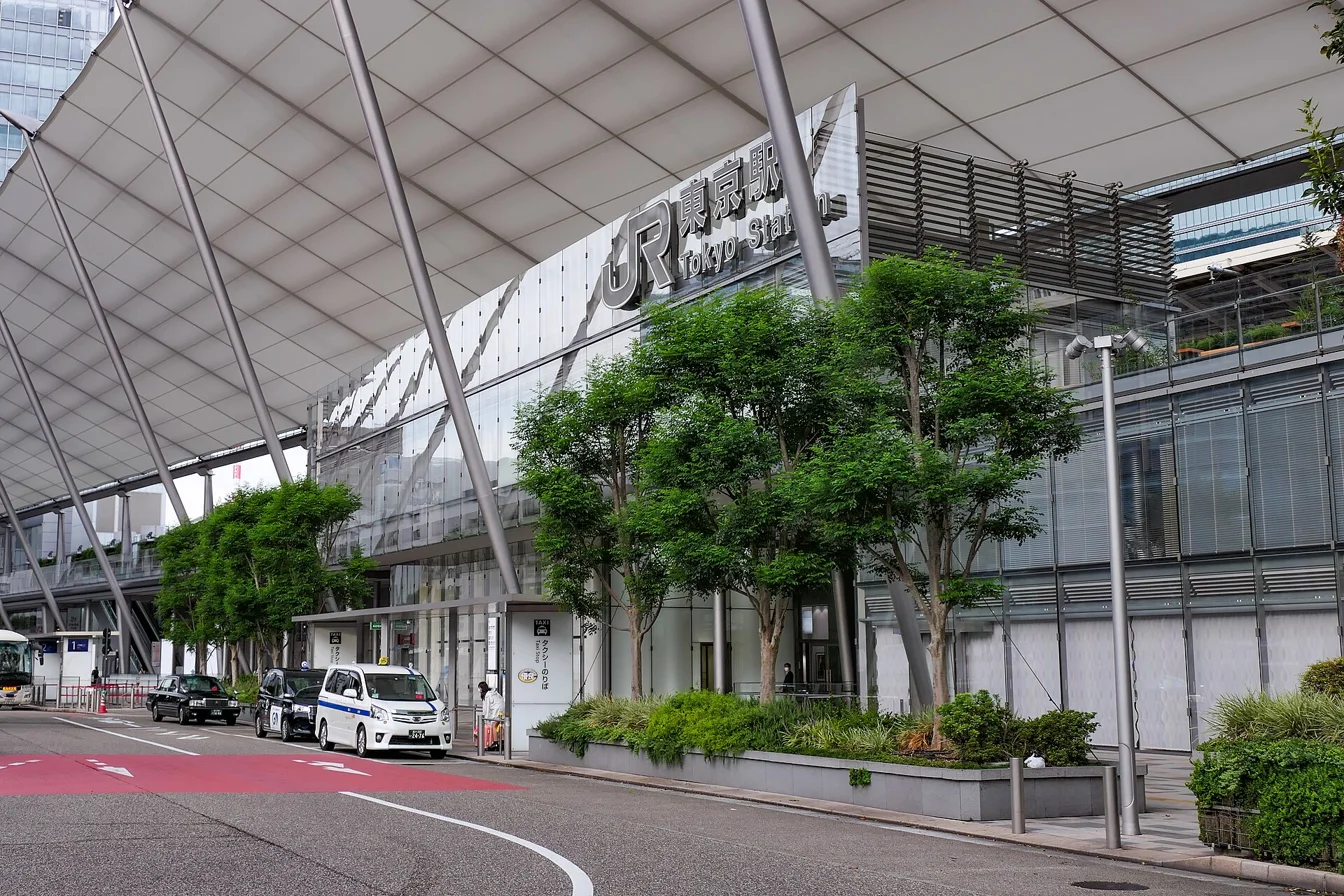
The short answer
SIXT's example uses the Yaesu Central Exit approach. Its ORIX counter is at B1 in Yaechika Shopping Mall, beside Starbucks.
Pickup-area car hire
Pickup-area car hire
Compare the trip fit, access and drawback before choosing.
| Choice | Yaesu underground-counter pickup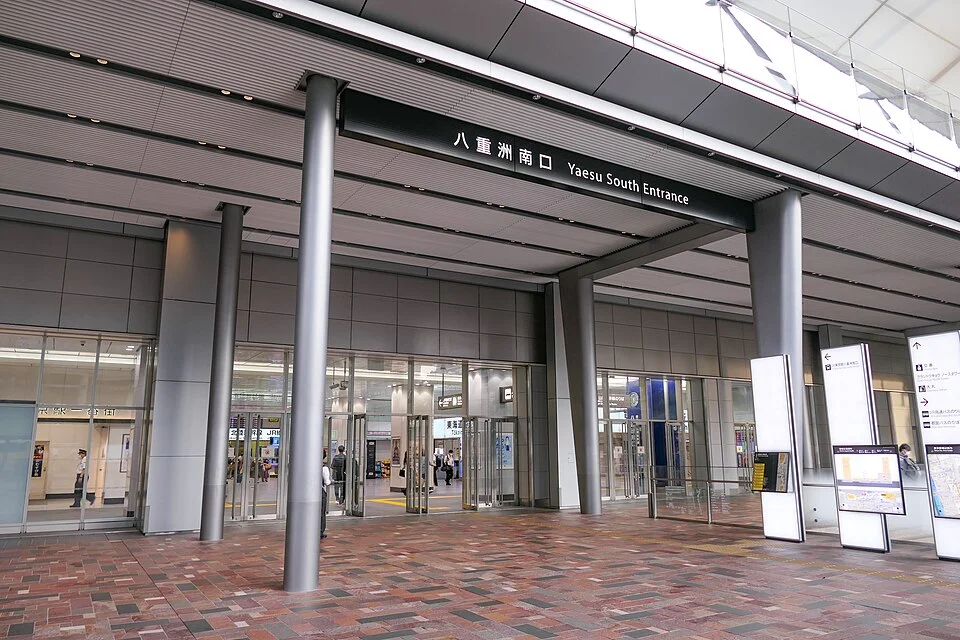 | Shinjuku pickup from another city starting point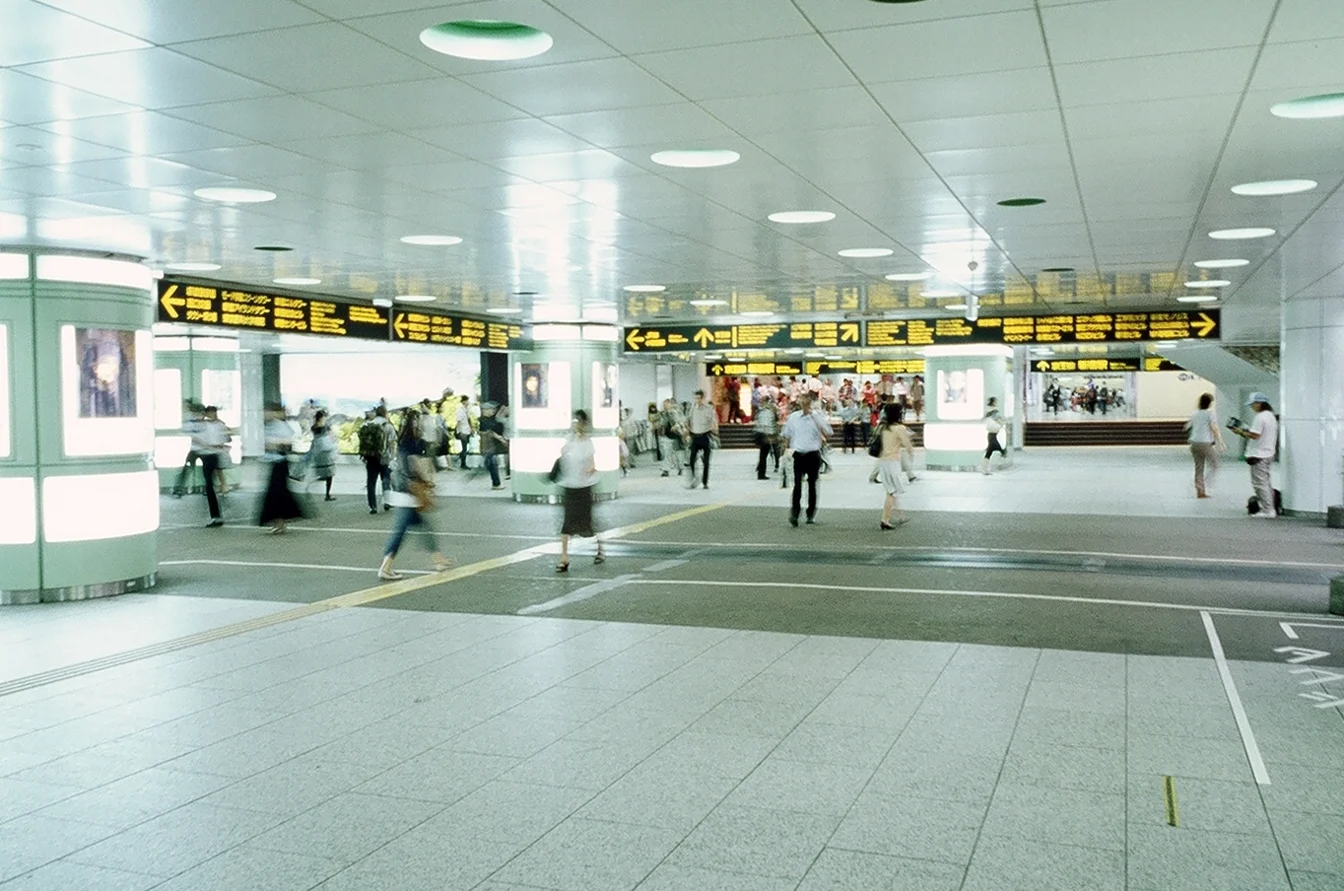 |
|---|---|---|
| Best for | A traveller whose rail or stay access fits the Yaesu approach. | A trip whose stay or rail connection makes Shinjuku's office route more useful. |
| Good to know | SIXT names an ORIX counter in Chika 1st Street of Yaechika at B1, beside Starbucks. | The Shinjuku guide documents a distinct building approach with counter and parking levels. |
| Trade-off | Finding the counter and reaching the actual car are steps after the train. | Compare the actual bag movement and departure, not just the station names. |
| Next step | Prepare the rail-to-car handoff | Inspect the Shinjuku other option |
Car rental at Tokyo Station needs the station side, counter and car route named separately. A Yaesu booking can use an underground shopping-area counter. The car is not at the train platform. The walking route may also differ from the return entrance.
Match the branch name to the actual exit and address. The example on this page is on the Yaesu side. Another booking can require another approach. So read its own directions before leaving the platform.
If the car is needed only after city days, plan pickup at the end of those days. Use the Tokyo comparison to test that against airport pickup. A station start is useful when it fits the travel change, not merely because it appears central on a map.
| Field | SIXT Tokyo Yaesu example |
|---|---|
| Published station approach | Tokyo Station, Yaesu Central Exit |
| Counter | ORIX in Chika 1st Street, Yaechika Shopping Mall, B1 |
| Published nearby reference | Beside Starbucks in the provider's directions |
| Address | Yaesu Shopping Mall, 2-1 Yaesu, Chuo-ku, Tokyo |
| Published hours | 08:00 to 20:00 |
| Source | Official branch directions |
Scroll for more →
Use the current station and shopping-area signs to reach the actual counter. A walking estimate from the branch page does not include each platform, bag or access rule. Give the arrival-to-office journey enough room.
If the booking record is incomplete, ask where the car is handed over. Ask for the return entrance too. The desk address helps you arrive on foot. It need not be an entrance you can use from the road.
Place the pickup time after the platform-to-counter route, then add the contract and car check. If the train is close to office closing, ask about a delay before reserving. Keep your supplier's contact method with the ticket and booking reference.
Check the bag space for the occupied seats. A city-office class can still be unsuitable for the group if the sample picture hides a load problem. Check child seats and other requests under the offer, and check them at handoff.
If an access need affects the station or underground route, obtain the right current details. Do not treat an underground connection as proof that each step is suitable. The counter approach and car entrance need their own checks.
Set the first driving route while parked at handoff. Learn the controls and toll equipment before leaving. Keep the first city stage simple enough to handle safely in a new car.
For return, use the accepted car entrance and fuel directions. Save the address or mapped route the supplier gives, rather than navigating to the pedestrian counter point. Allow for check and the walk back to the correct rail entrance afterward.
If the time or office changes, obtain supplier agreement in advance. Another station-area place is not an accepted return merely because it uses the same brand. Keep the latest terms and route with the booking record.
Choose from the actual stay and preceding rail journey. The Shinjuku page names a west-side building example with distinct levels. Tokyo Station's Yaesu example uses another underground-counter approach. Compare those real movements with bags.
If the regional destination works with a local pickup, compare that too. A rail journey followed by a smaller driving segment can avoid unnecessary city car days. Use the Tokyo guide to choose the route and the local pages for the actual office.
Read the international permit guide before booking. The pickup rules add the supplier's payment and named-driver checks. Carry the originals and accepted entry evidence for the handoff.
Compare full cost, cover and cancellation under your offer. If an office or car class changes during the search, check the new conditions. An easy station approach cannot compensate for a car or driver plan that does not fit.
Yes. SIXT's example uses Yaesu Central Exit and the ORIX counter at B1 in Yaechika. Check that it matches your booking. Other offices need their own directions. Save the desk approach and the car-return route as two separate tasks.
Allow for getting off the platform, finding the exit and moving the bags to the counter. Paperwork and car checks follow that journey. If the connection is close to closing, read delay terms and ask the provider beforehand. A station name does not mean immediate handoff beside the train.
Use the entrance given by the supplier for cars. The counter address may only describe the desk. Save the return route and fuel directions at pickup. Add time for the car check and walk to the train after handoff.
Compare the actual rail or stay before driving, the bags and the office approach. The two documented examples use other station sides and building layouts. Neither is automatically easier for each trip. Set a workable pickup and return sequence first, then compare matching car classes and full booking terms.
Match the Yaesu or other booked office to its exit. Check where the car is handed over and returned, with time for bags and paperwork. A precise station-to-office route makes the later drive easier to start.

