
New Chitose Airport rental comparison
Pickup-area car hire
- Best for
- A regional trip plan that begins after the flight and ends with an airport return.
- Trade-off
- Allow for reception, waiting, transfer and handoff before the drive.
Hokkaido
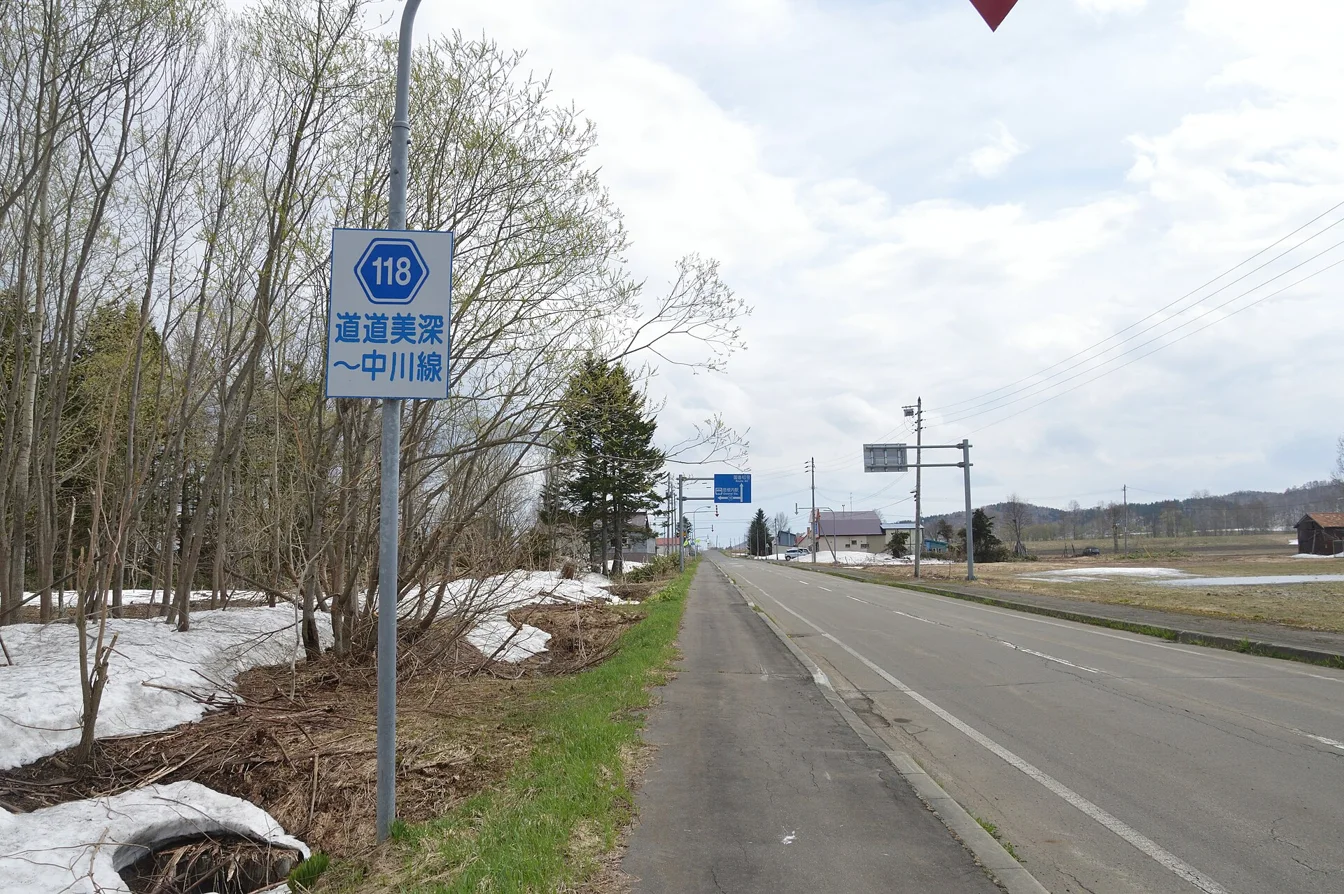
The short answer
New Chitose pickup can suit a regional drive after landing. But normal staffed rentals involve transport to a branch rather than handoff at the terminal kerb.
Pickup-area car hire
Pickup-area car hire
Compare the trip fit, access and drawback before choosing.
| Choice | New Chitose for an airport-to-road start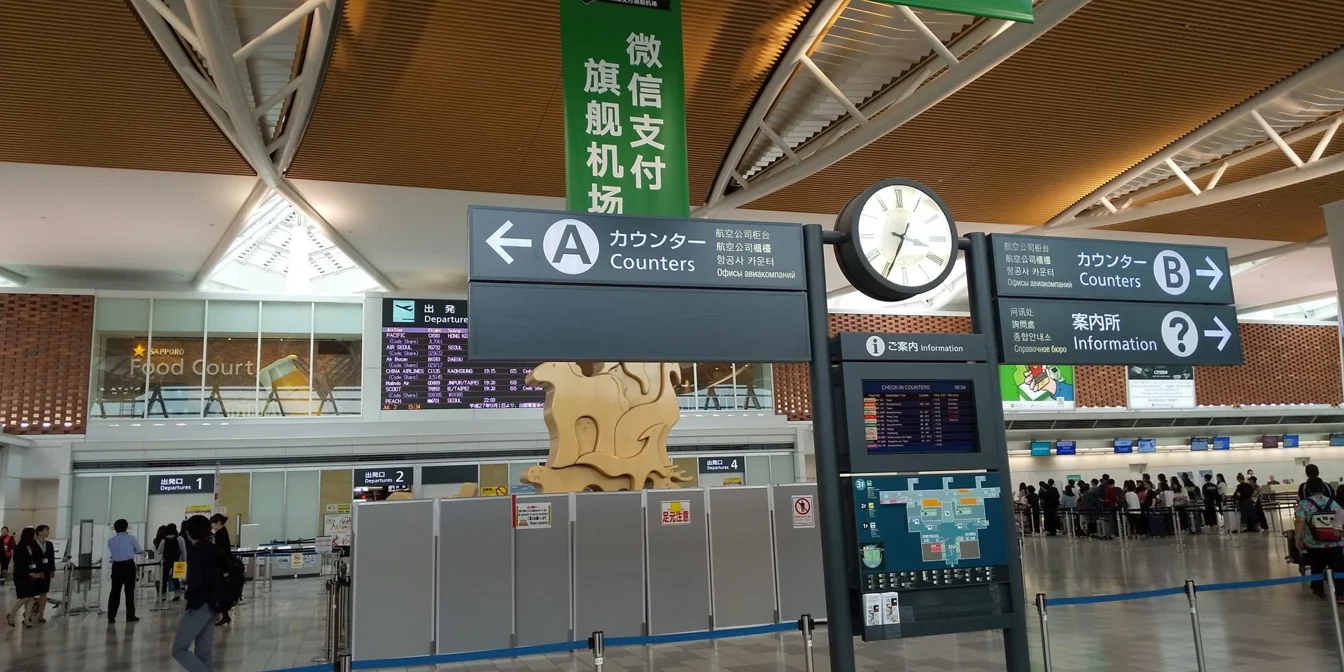 | Sapporo after a city stay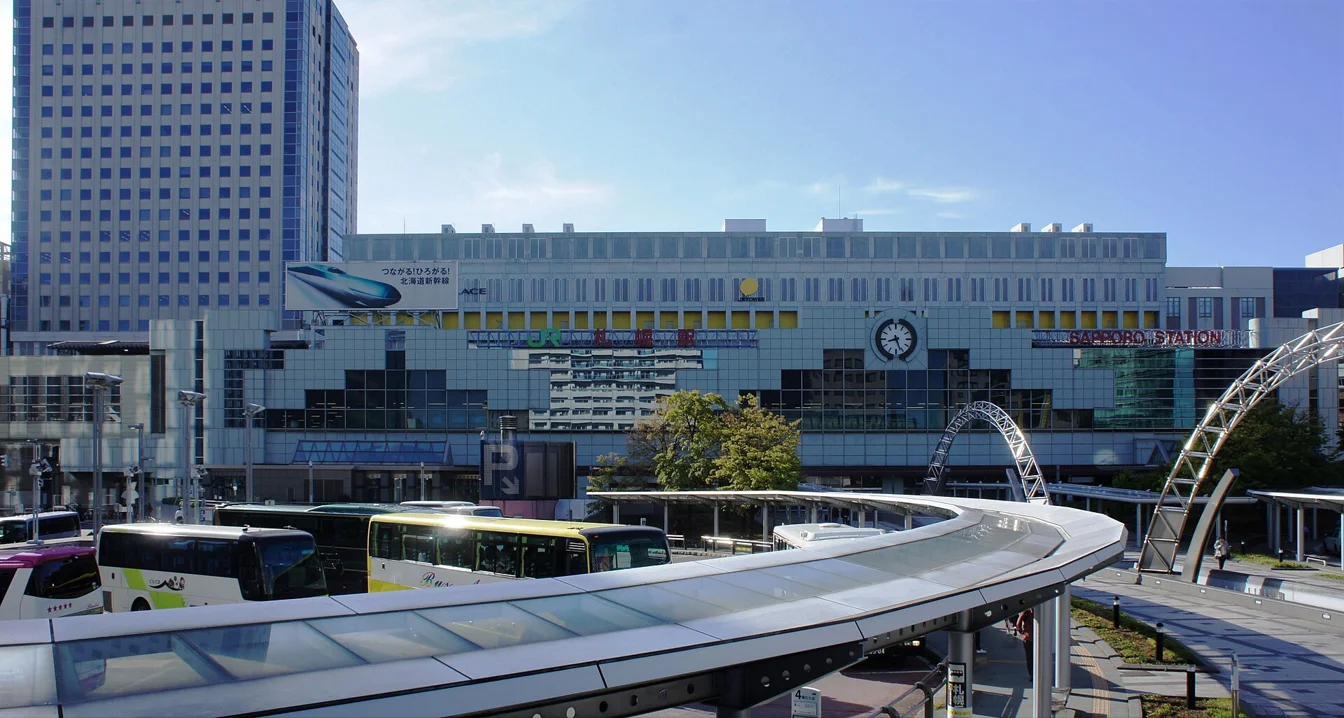 | Furano for a local driving segment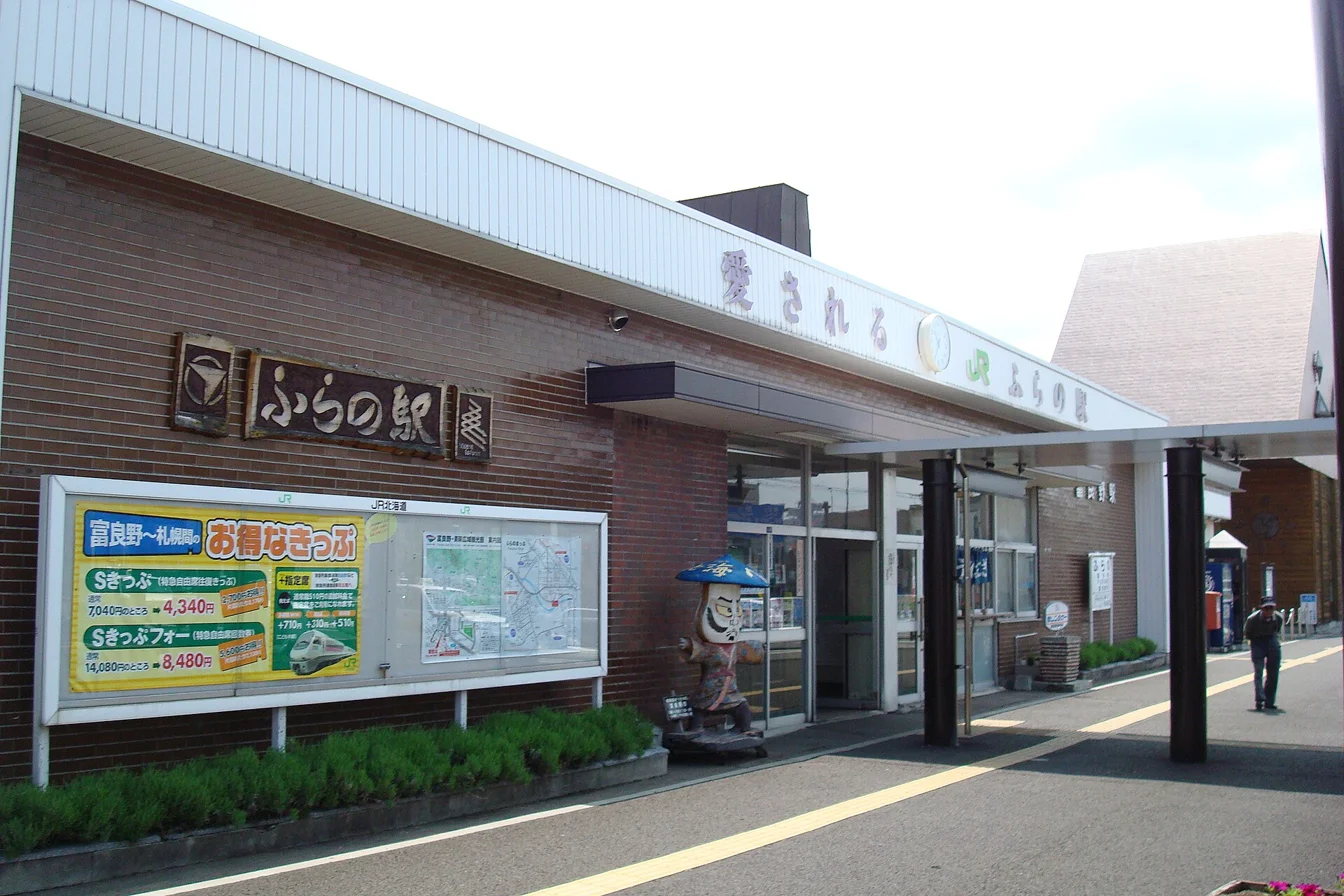 |
|---|---|---|---|
| Best for | A regional trip plan that begins after the flight and ends with an airport return. | A trip that uses city transport before switching to a regional road journey. | A rail arrival followed by a limited period of local touring. |
| Good to know | The airport describes counters and transport to rental business premises in Chitose. | The Sapporo guide distinguishes station-area and city branch addresses. | Toyota lists a Furano shop at Hinode-machi with a station approach and seasonal hours. |
| Trade-off | Allow for reception, waiting, transfer and handoff before the drive. | You must move bags to the office and drive out through the city after handoff. | Fit the return to the local branch and onward train, rather than assuming airport-style service. |
| Next step | Read New Chitose pickup steps | Compare Sapporo pickup plans | Plan Furano pickup |
The Hokkaido start must fit the driving stage and season. Airport transfers, city nights and a local office can change the useful rental period.
| Starting point | Practical reason to consider it | Condition that changes the answer |
|---|---|---|
| New Chitose | Keep the flight and regional drive in sequence | A late arrival or fatigue makes an overnight stop preferable |
| Sapporo | Start driving after city days | The office route and return may add luggage movement |
| Furano | Rent for the local part after a rail journey | Seasonal hours or local car fit may limit the plan |
Hokkaido car rental starts with a choice between airport pickup, Sapporo city pickup and a local rental for a smaller part of the trip. Decide that around your first driving day. In winter, make the road-condition decision before choosing the car or booking a long route.
Put the flight or train arrival, first driving night and return journey on one plan. If you will spend time in Sapporo first, compare starting the rental after those city days. If you will leave the airport for a regional stay, read the pickup steps and decide whether you will be rested enough to drive.
A local pickup can also suit a trip with a rail-led start and a few nearby driving days. The trade-off is moving bags and fitting the branch's hours. A long airport-to-airport rental may be simple. But it is not automatically the best use of the car for each trip plan.
Use the Hokkaido transport directory to check other options for the actual route. A list of stops spread across a map does not prove the driving day is manageable. Build each stage with breaks and current route details.
Record the number of people and the bags they will bring. If ski equipment or bulky luggage is part of the trip, ask about usable load space with everyone seated. A larger car may solve that problem. It can add another licence-class or parking check.
Read the supplier's model and class terms. A sample car image is not a guarantee of that exact model. Check child seats or other requested equipment before payment. Keep special requests in the booking, not just in a note that may not be part of the accepted offer.
Do not choose four-wheel drive as a substitute for winter driving skills. Equipment, route and driver ability all matter. The correct decision can be another transport plan even when a winter-equipped car is offered.
Hokkaido's official winter road guidance calls for extra care on new snowy or icy roads. Read that before reserving if your trip may involve snow or ice. A reassuring summer road-trip account does not answer the winter question.
Check the equipment for the actual branch and dates. Budget's New Chitose page, describes studless tyres as standard around November to April and says it does not rent tyre chains there. Treat the seasonal wording as a reason to check your booking, not a promise for each day or supplier.
Keep current weather and road notices in the departure check. If the route is unsuitable, postpone the drive or change transport. Avoid fitting a fixed sightseeing schedule so tightly that you feel compelled to drive through conditions you cannot handle.
Ask at pickup how toll equipment works and whether the booking includes the needed card. An installed reader is not the same thing as having a card ready for your trip. Check how toll use will be billed at return.
Keep fuel and parking in the route budget rather than treating them as part of the car's headline rate. Use official current route details for any toll estimate. A long rental total can look competitive while another return office adds a distinct one-way charge.
For an airport return, save the actual branch entrance and allow time afterward for the terminal transfer. The airport guide explains that normal staffed rental cars are not handed over in the no-parking terminal-front lane. Do not use that lane as a return shortcut.
For a city or local return, use the office's agreed time and fuel directions. If your onward train or flight changes, ask the supplier about the rental change before making it. Extra time and another return point require agreement under the booking terms.
Compare the seasonal plan as a whole day. Note where you can stop safely, where the stay is and which travel connection follows return. If snow or ice makes the road stage doubtful, do not leave the decision to a narrow office-closing window. Ask the supplier about a changed booking before acting on it.
Give the non-driving plan real detail too. Check the actual transport for the date and the route from its stop to the stay. It is more useful than a vague promise to “take a bus” if the drive fails. Keeping both plans workable helps you choose from current conditions rather than from pressure to use the car.
Read the international permit guide before car selection. Check each driver and any unusual car class. Then read the rental process for booking record, pickup and handoff.
Keep a rail-led other option on the plan until the document, weather and rental questions are clear. The region comparison helps you choose the place. It does not guarantee a booking will be accepted or a route will remain open.
Choose around the first driving day. New Chitose can fit a drive after landing, with the branch transfer included. Sapporo can fit city nights first. Compare luggage movement, parking and the return. If you are tired or the weather is unsuitable, a later start may be the stronger plan.
Check the exact supplier, branch and dates. Budget's New Chitose page describes a seasonal standard-equipment period. But that does not show each company's terms. Check what is on the booked car. Equipment alone does not settle whether you can safely manage the route and current conditions.
Only plan that after the supplier accepts the exact branch pair for the selected car and dates. Check any charge or restriction. A local station office and an airport branch are not interchangeable return points. Keep the accepted plan in the booking record and allow for the airport transfer.
Compare the actual trip plan with current transport options. A car can help with dispersed regional stops, while a city-led or rail-linked plan may need fewer rental days. Winter conditions can change the decision again. Decide from the journey, driver and season rather than applying one rule to the whole island.
Set the driving segment first. Pick the branch that fits its start and finish, check equipment and make a distinct winter-road decision. Then reserve the car class that suits both your documents and the bags you need to carry.


