
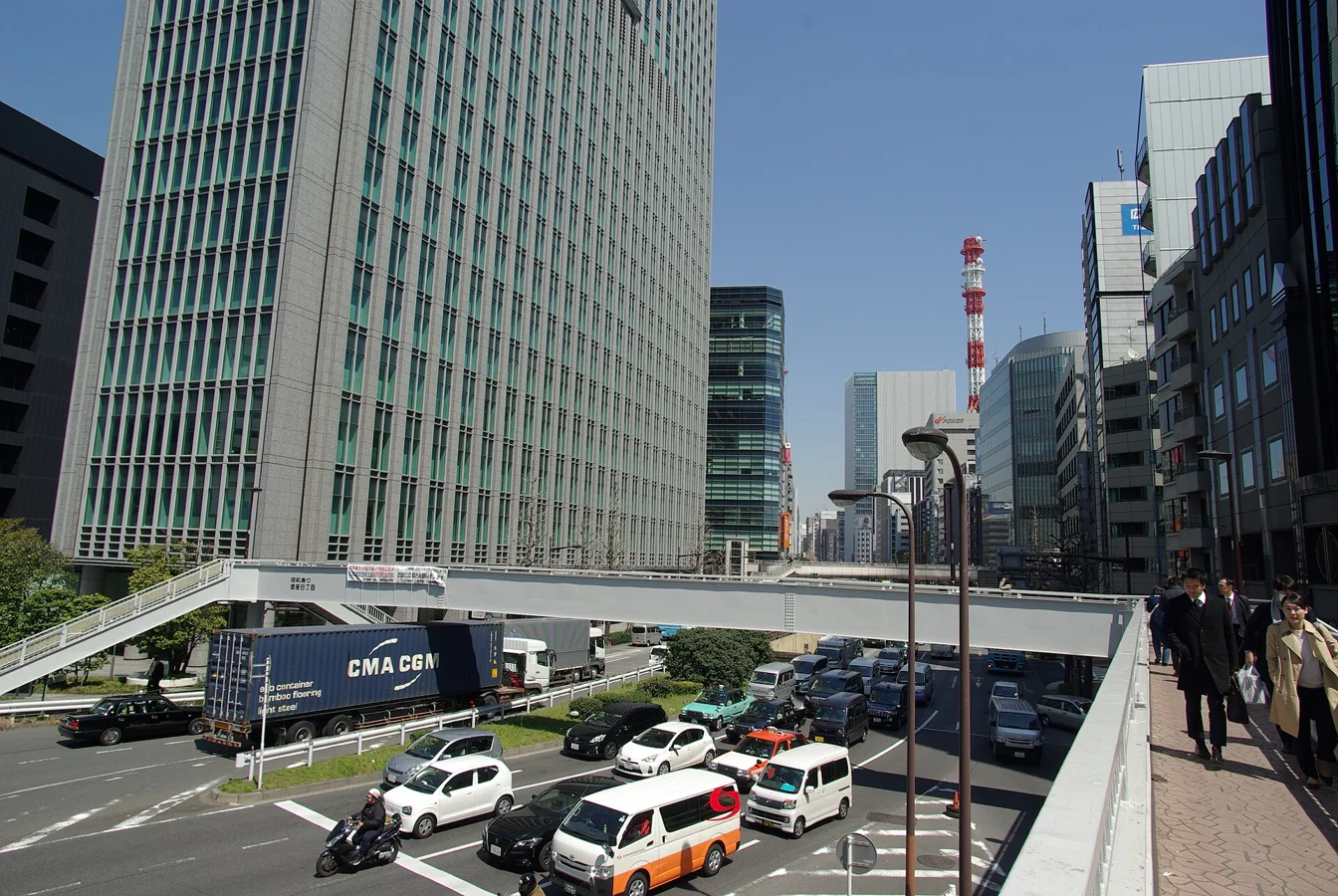

Tokyo pickup options
- Best for
- Airport, station or city starts for the regional drive.
- Trade-off
- A car held through city nights can add parking.
Road rules
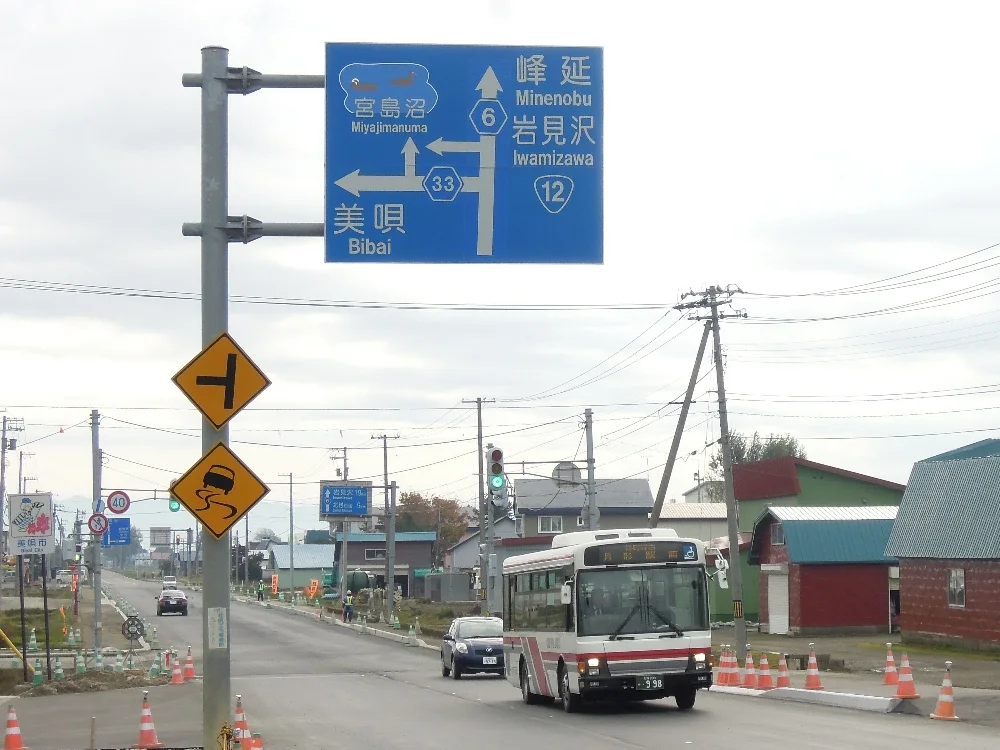
The short answer
Drive on the left, follow posted limits and yield to pedestrians. Learn the stop sign and signal meanings before the first junction.
Driving in Japan needs the correct documents, a working knowledge of local rules and a route the driver can manage. Learn the essentials before reserving the car. At pickup, use time in the parking area to understand the controls, fuel and toll equipment.
Check the licence route through the international permit guide. Read the class and dates for each driver. A booking or cover product does not replace the right to drive. Resolve a doubtful document before choosing a car.
Think about the route and your experience. A first drive after a tiring flight should not also be a demanding long stage. Compare a later pickup if needed. Use should I rent a car in Japan to decide which parts of the trip actually need the car.
Check the car's seats and bags together. A larger car can solve a load problem but add class or parking questions. Check requested child seats and equipment before travel. At handoff, check the actual car before making it part of the day's route.
Japan drives on the left. Adjust the mirrors and learn the controls while parked. Keep the first route simple and use clear lane choices. If you miss a turn, continue to a safe place and re-route rather than reacting sharply to a late prompt.
JAF says drivers must yield to pedestrians. Watch crossings and the pedestrian movement when turning. Do not assume a turn is clear just because the route line points through it. Toyota's guide also explains right-turn priority and the need to wait for oncoming traffic.
Learn the stop sign through the sign reference. A full stop is other from slowing down. Toyota also explains the stop-and-check process at railway crossings. Read the current rule and check the crossing before proceeding.
For lights, read the whole signal. A red light means stop. A green arrow gives an exact direction. The police reference distinguishes green arrows from yellow arrows for streetcars and explains flashing signals. Do not import a turning-on-red habit from another country.
Obey the current signs and drive for the conditions within the allowed limit. This guide does not give one numeric speed for each road. Road class, posted restrictions and current conditions matter, and a navigation display does not override the sign.
Use the Japanese driving-signs reference before travel. It separates entry prohibitions, parking rules, warnings and supplementary plates. A shape or colour is a useful cue. But the actual symbol and attached condition settle what it means.
Plan parking at the stays and visits. Check the allowed car size and entry method where needed. Read the charge and payment directions at a car park before leaving the car. Do not infer consent from a space appearing empty.
Keep parking and stopping rules distinct. The police chart lists both “no parking” and “no stopping or parking”. A quick wait or passenger drop-off can still be a stopping question. Check the actual sign and conditions rather than treating each restriction as long-stay parking only.
JAF states that the driver and all passengers must wear seat belts. Check that the whole group can be safely seated before departure. Do not exceed the car's allowed passenger or load capacity to solve a luggage problem.
For children younger than six, JAF states the child-seat rule. Ask the supplier about the appropriate seat and the accepted booking. Check the plan with the child and bags before leaving. Do not assume a requested extra has been fitted merely because a booking icon appeared.
JAF also warns against using a phone or being distracted by navigation while driving. Set the first route before moving. Let a passenger handle later changes, or stop at a safe allowed place. A missed exit is a reason to re-route calmly, not to search the screen in traffic.
Do not drive after drinking. Use another transport plan if the driver's fitness to drive is in question. Keep the decision clear before the journey rather than treating the car booking as a reason to proceed anyway.
Ask what toll equipment is actually in the car and whether the needed card is included or separately rented. Read the fee and settlement process. An installed reader alone does not show that you have a usable card or prepaid road tolls.
Choose lanes that fit the confirmed equipment and payment method. If new with the system, ask staff to show the card and reader at pickup. Do not enter an equipment-exact lane because another car did so.
JAF's expressway guidance explains merging, speed signs, the passing lane and shoulder restrictions. Keep to the travel lane when not overtaking and follow current directions. A shoulder is not an ordinary place to pause for navigation or a photograph.
Check the responsible road operator for current route and toll details. NEXCO East, NEXCO Central and NEXCO West cover other networks. A single operator's page is not a complete source for each Japanese road.
Check the fuel type for the actual car at handoff. Ask about the return tank and receipt rule. Save a suitable refuelling plan before the final day. A model name on an earlier search result is not better evidence than the supplier's direction for the car supplied.
Build rest into the driving stages. Include meals, visits and parking as well as the road time. If the day only works without a break, change it before departure. JAF notes that some expressway stretches have long gaps between service stations. So plan fuel in advance.
Save essential office and return details where they can be reached during travel. An offline map can help with orientation. But cannot give a current closure or weather warning. Read current notices before setting out and use the actual signs on the road.
Check the day's Japan Meteorological Agency details and route notices. A seasonal travel description does not prove that a road is suitable today. If conditions change, shorten the leg or change transport.
For winter routes, ask about tyres and needed equipment for the branch and dates. Make a distinct decision about driver skill. Hokkaido's official winter advice calls for care on snowy or icy roads. Equipment does not replace the judgment needed for a new winter drive.
Avoid forcing a fixed trip plan through an unsuitable route. A changed hotel or flight can be inconvenient. But does not make the drive safe. Contact the rental supplier separately if the car period or return also needs to change.
Keep the supplier's incident and breakdown directions ready. Toyota's driving guide tells users to contact the rental company promptly for an accident, violation or breakdown. Follow the actual company's process if another supplier handles the car.
Toyota's guide gives 110 for police and 119 for ambulance and fire. It states that police should be contacted even for a minor accident. Use those directions together with the actual case and supplier reporting duties. Read the coverage guide before travel so you know why the records matter.
Do not approve repairs or replace parts without needed supplier directions. Keep useful reports and receipts. A cover product has its own limits and evidence rules. Its label does not make each later cost reimbursable.
Yes. Familiar road positioning does not show knowledge of Japanese signals, stop signs, crossings or parking restrictions. Read the official sources before travel and learn the car at handoff. Give the first stage enough room to adjust, even if driving on the left is normal in your home country.
Check your supplier and booking. The reader and card can be distinct, and settlement terms can differ. Ask staff to show the equipment and explain the charges. Use a lane that fits the confirmed payment method rather than assuming the dashboard device proves a card is ready for use.
Use the current signs and drive for the actual conditions. This guide does not supply one universal limit for all road classes. Read the police and road-operator sources when planning, then follow posted restrictions. A route app's estimate or display is not consent to ignore the road sign.
Follow the police and supplier process. Toyota's listed guide says police should be called even for minor accidents, and its cover explanation makes reporting important. Save your supplier's directions at pickup. Do not settle the incident informally or assume a waiver removes the need for the needed records.
Check documents, learn the rules and plan stages with room for rest and change. Use handoff to understand the car, tolls and fuel. Keep current route details and a precise incident and return process with the booking.
