
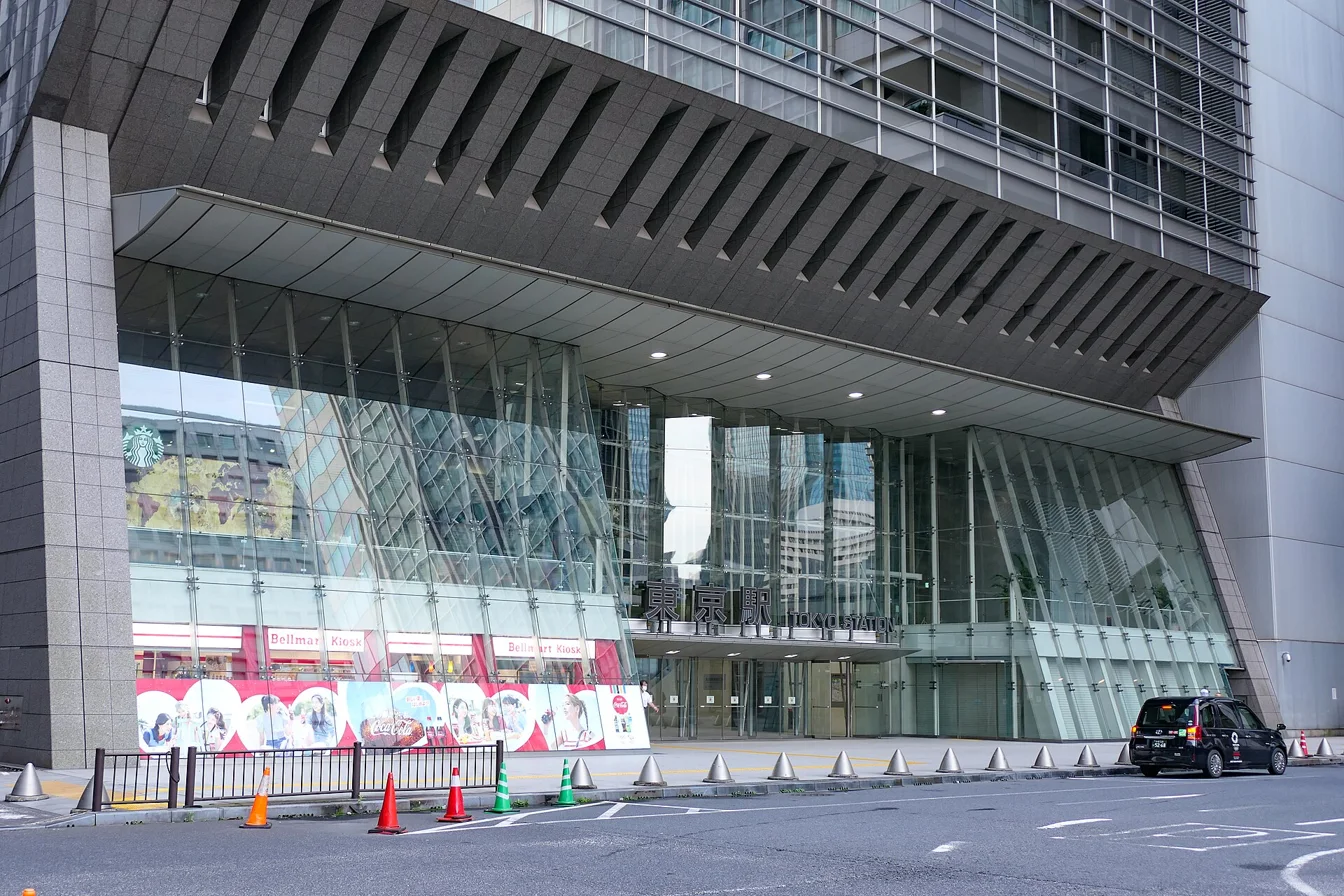

Tokyo pickup options
- Best for
- Airport, station or city starts for the regional drive.
- Trade-off
- A car held through city nights can add parking.
Trip decisions
The short answer
Compare a car plan and a transit plan for the same people, bags and destinations. Include the last leg to the stay, not just the main travel time.
Compare the gaps your itinerary must cross. A car can solve dispersed stops or luggage moves, while transit can reduce city parking and rental-day work.
| Trip feature | Reason to compare a car | Reason to compare transit |
|---|---|---|
| Dense city stay | An exact access or luggage need | Fewer parking and car-return steps |
| Rail-linked city-to-city journey | Useful stops between the cities | Direct rail can remove long driving work |
| Dispersed regional stays | Keep bags with the group and reach scattered places | Current bus, rail or other transport may still fit |
| Bulky bags or several travellers | One car can simplify some moves | A bigger car may add class, parking and cost issues |
| Snow or ice | Only after a skill, equipment and route check | A non-driving plan can avoid new winter roads |
“Should I rent a car in Japan?” is a question about your route. A car can solve dispersed stops, luggage-heavy moves or an exact access need. It can add parking, pickup and return work to a city-led trip. Decide for each part of the journey rather than for the whole country at once.
Write the stays and visits in their travel order. Mark the legs that need door-to-door movement and those that already work with a straightforward train or local transport connection. Then ask where pickup and return would fit. A car can be useful for some days without being useful each day.
Avoid choosing from a photograph of a road trip or a general warning about cities. Your group, bags, accommodation and route are the inputs. Another traveller's easy drive does not prove your planned route is suitable, especially in another season.
This is a decision reference, not a rule that one mode wins each row. Test both complete journeys with current transport and access details.
For city days, list where the car will be parked and how often you will use it. Ask the stay about its actual parking terms and car limits. If you mainly plan to leave the car there and use local transport, compare a later rental start.
For a rail-linked move, compare the station-to-station journey with the full driving sequence. Add transfers and luggage handling on the rail side. Add pickup, fuel stops, parking and the return on the car side. The result can differ from a comparison of only the train ride and navigation time.
If you need the car after reaching another city, consider collecting there. A local driving segment can avoid a long road leg that adds little to the trip. For the Tokyo-to-Kyoto question, use the exact route guide.
A car can give more control when the trip depends on several dispersed stops. Check the actual access and parking at each place. A map pin does not prove a public road reaches it or that a space for your car is offered.
Build manageable stages. Add meals, breaks, fuel and time at the visits before deciding how far to drive. If the trip plan only works without any delay, reduce the number of stops or change the overnight plan.
Compare the current non-driving options too. A rail-led route with a short local rental can be more useful than one long car booking. Keep any ferry, seasonal road or island transfer as a distinct consent and access check.
List people and bags separately. Check load space with all the necessary seats in use. A car that fits the passengers may not fit the luggage. A larger class can help. But its price, parking and licence class need review.
For an access need, check the whole journey. Door-to-door movement can be valuable. But the actual branch entrance, car entry and destination parking still matter. Ask the responsible provider about the exact need rather than relying on a general “easy to reach” label.
If travelling with children, include seating and breaks in both plans. Check a requested child seat with the supplier and check that the selected car can carry it with the group and bags. Do not assume each car shown on a booking page has the same usable space.
Use the international permit guide before making the car decision final. Check each driver's issuing country, permit or translation route, car class and dates. A paid booking is not consent to drive with the wrong documents.
Think honestly about driver confidence. Japan drives on the left, and the traffic rules need preparation even if you already drive on that side at home. Read driving in Japan and learn the controls before entering traffic. Plan a calm first stage.
For winter travel, check the route and official advice before the car class. Hokkaido's winter-road guidance calls for extra care on new snowy or icy roads. Equipment helps with a suitable drive. It does not settle whether the driver should make it.
City stay followed by regional driving: Compare no car during the city days, then pickup near the departure point. Include the luggage transfer to the office. Compare that with airport pickup plus city parking. Use actual totals rather than assuming the shorter rental is always cheaper.
Rail between cities with a local rental: Compare taking the main rail journey, then renting for the part with dispersed stops. Check whether pickup and return fit the train timetable. This can remove a long driving day. But adds a local handoff.
Regional loop from an airport: Compare collecting after arrival and returning to the same office. Include both branch transfers if needed, the first-day energy check and the final airport return. If the loop adds a long drive back, compare an accepted one-way plan.
These are planning examples, not invented traveller experiences or priced trip plans. They show what to compare. The right choice requires your actual dates, route and booking terms.
Take a day with a city hotel, a rural visit and a second overnight stay. For the rail plan, write each leg from the hotel door to the next stay. Include the walk or transfer to the station, the train, onward local transport and the final walk with bags. Check the last service back from the visit. Do not treat arrival at the nearest station as arrival at the destination.
For the car plan, start at the hotel too. Add the trip to the rental office, document checks, loading bags and the first drive. List parking at the visit, a break and the route to the next stay. If you return the car that evening, include refuelling, the return check and the journey from the office to your hotel.
Now compare the parts that could fail. A missed bus may affect the rail plan; a late branch return may affect the car plan. Keep a fallback for each. If only one stop makes driving useful, ask whether moving that visit to a separate rental day would simplify the rest of the journey.
Use current schedules and written branch terms for this exercise. It needs no guessed fare or promised travel time.
Use the Rental Cars Japan selector to choose the region. The place pages compare airport, station and local pickup where those decisions matter. Choose the office from the driving start, then read the rental process for handoff and return.
For costs, use the complete rental budget guide. Include the accepted quote, optional charges and road costs. A driving plan is ready when the documents, car, branch pair and route fit together.
Decide for the actual trip plan. City travel, rail-linked moves and dispersed regional stays can call for other modes. A short rental may solve the driving part without adding parking to each night. Compare the complete journeys for your group and bags, then choose the rental days that do useful work.
Use current prices for the same travellers and route before making that claim. The car side includes rental, fuel, tolls and parking. Transit includes station access, tickets and last-mile transport. A group or access need can change the comparison. This guide does not publish a universal cost winner.
Compare the load space after allowing for everyone who will sit in the car. A larger class can solve a real luggage problem. It may add parking and licence-class questions. Check the offered class and model terms, and read the large-car rules before payment. A passenger icon alone does not show luggage fit or driving entitlement.
Read official route and winter-road advice, then compare a non-driving plan. Confirming tyres does not replace snow-and-ice experience. If the route is beyond your ability or the current conditions are unsuitable, change transport or the trip plan. Keep that option open before committing to a demanding sequence of driving days.
The Japan rental decision becomes clearer when you compare complete stages. Check documents and confidence, price matching plans and choose a manageable pickup and return. Use a car where it improves the actual journey.
