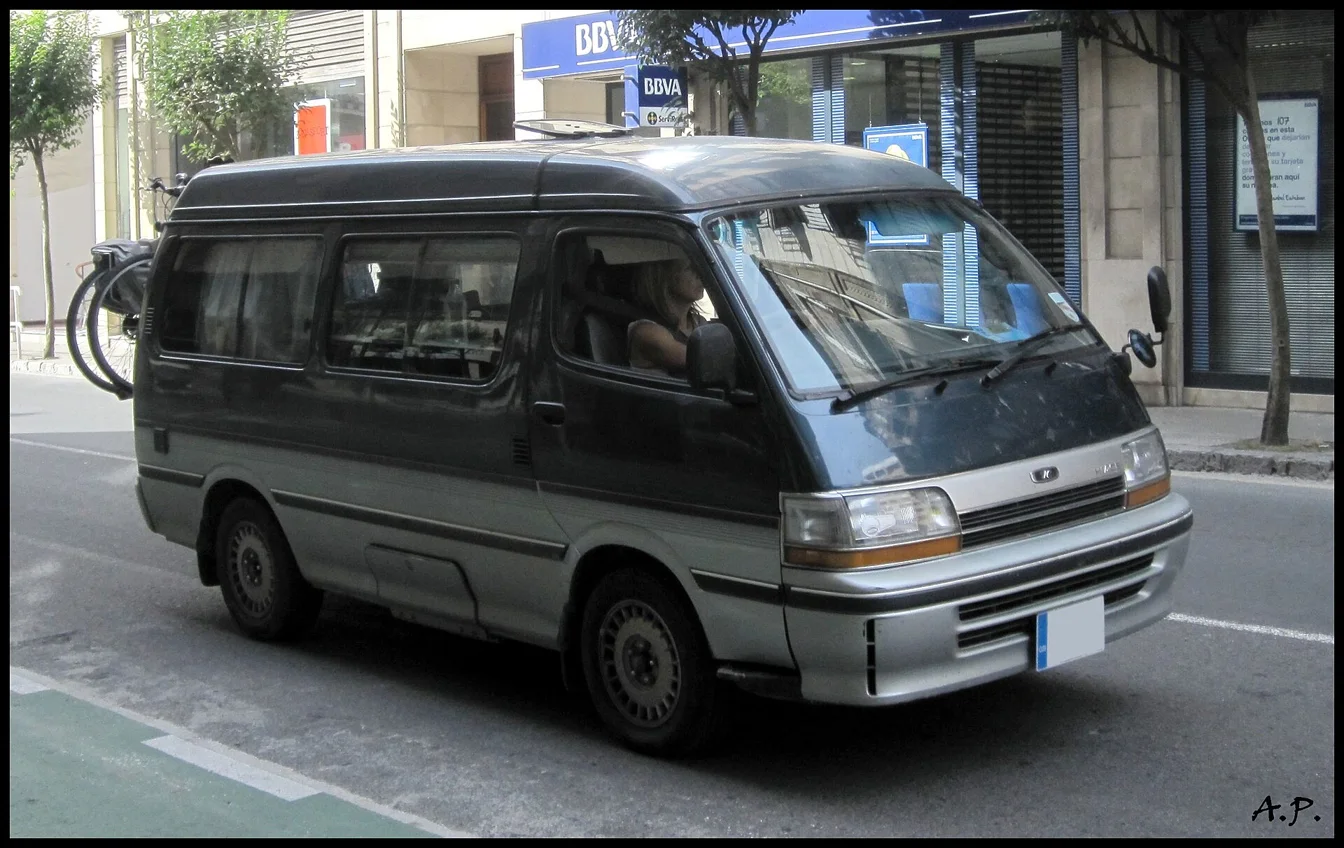
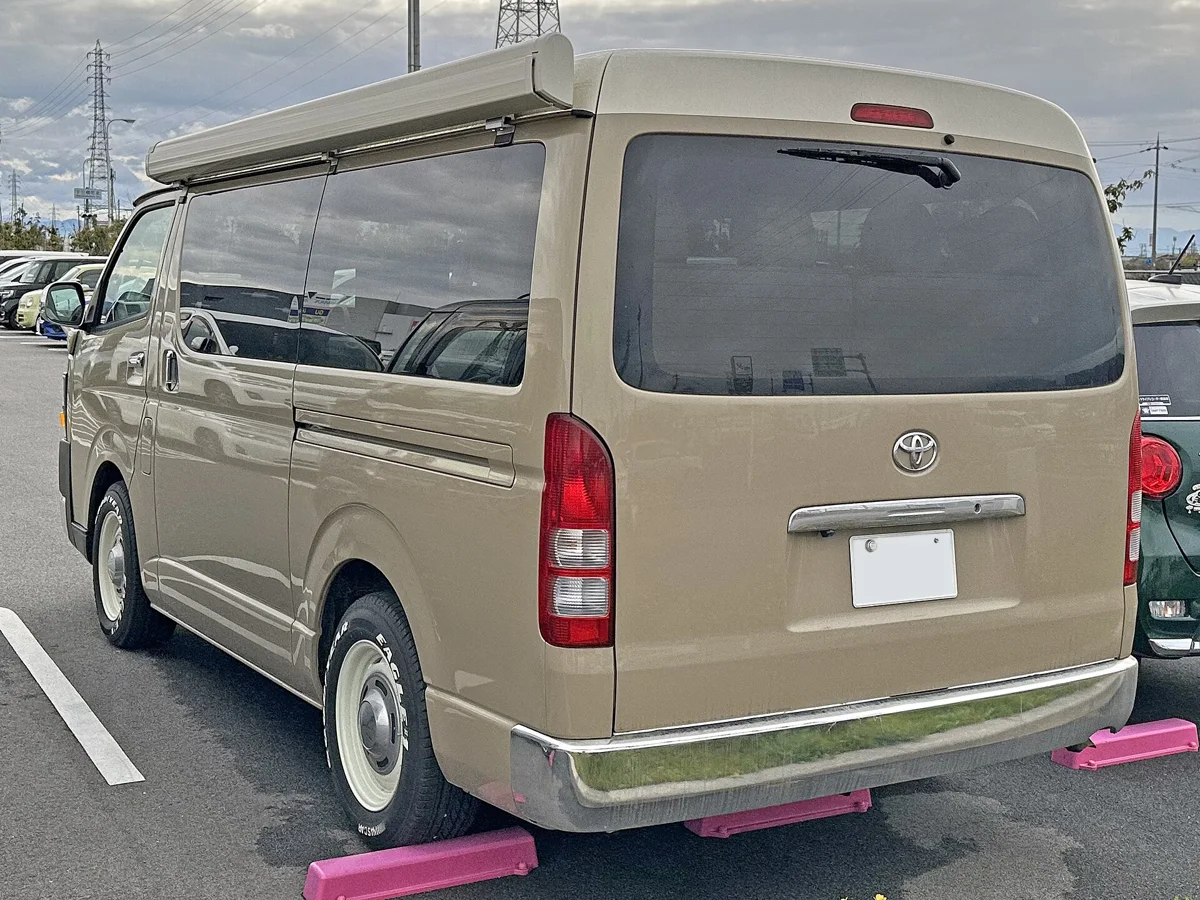
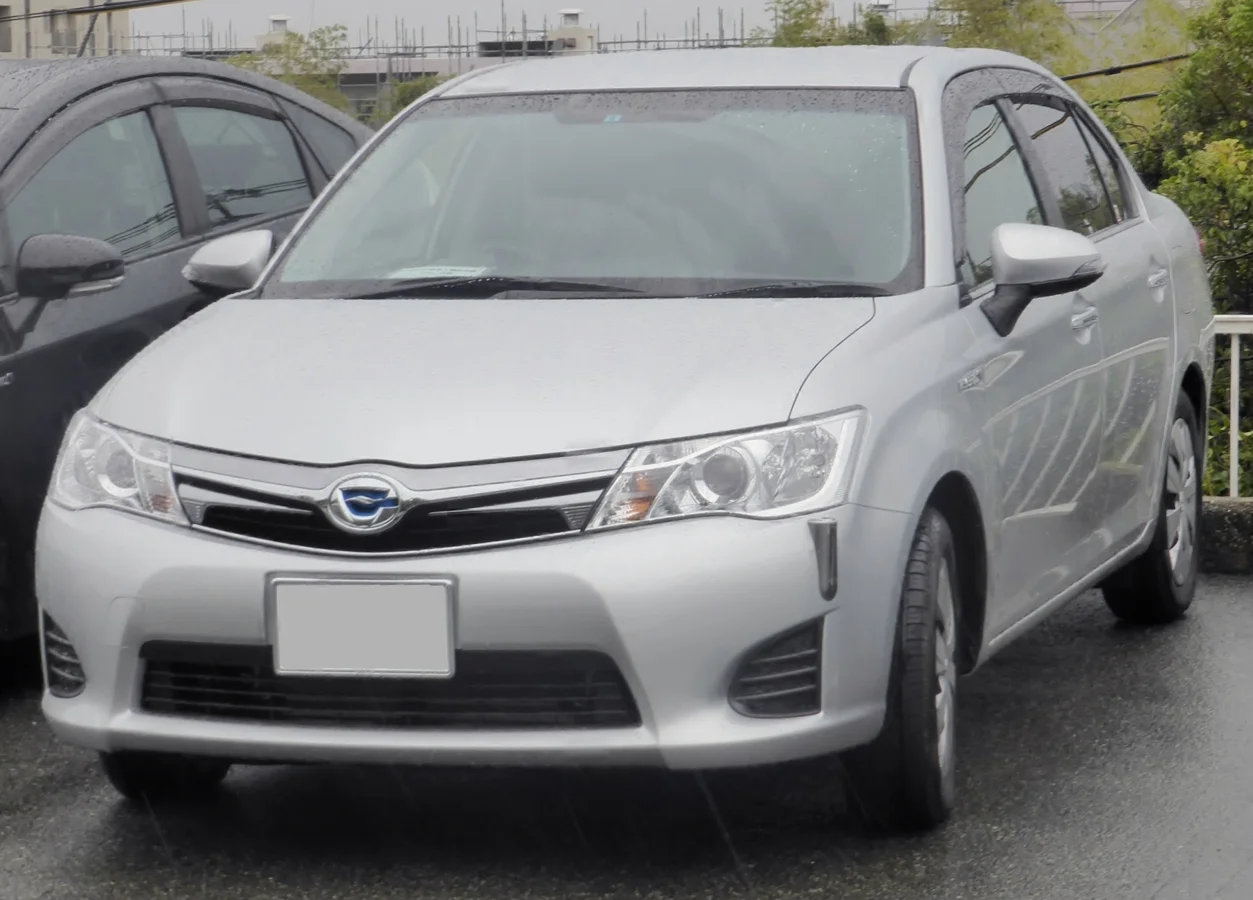
For 10 seater car rental in Japan, check the driver class before the passenger count. A ten-seat listing is not proof that an ordinary car permit covers the car. It also does not show how much luggage fits when the group uses all the seats.
Seat capacity does not show car suitability
Read the exact class offered, not just the booking site's passenger icon. Toyota's document page asks for a D-box stamp for its W4 or BUS2 classes. Budget's guide asks for the D stamp for WC-class cars and minibuses. Both discuss large passenger vehicles in their stated classes.
Those are supplier-listed checks to apply to the actual requested car. Do not assume a familiar van model is always registered or rented in the same class. Ask the booked company to check the class and needed entitlement in writing before payment.
Keep the luggage check distinct. Seats may be occupied without leaving suitable space for all the bags. Ask about the load layout with the whole group seated. A photograph with seats folded does not answer that question.
Compare source-checked large-party car options
One large passenger vehicle with a qualified driver
Best for: A group whose driver has the needed class and whose bags fit the offered configuration.
Good to know: Toyota and Budget publish exact large-passenger-class document checks. The actual supplier must check the requested car.
Trade-off: Category, size, parking and return limits can be more demanding than with a small car.
Check the driver and car documents
Two smaller rentals with two valid drivers
Best for: A group with two eligible drivers where distinct cars fit the route and parking.
Good to know: Both accepted car classes, both sets of driver documents and two complete booking totals.
Trade-off: The group travels separately and needs two parking, toll and fuel plans.
Compare the full rental process
The other options are not a guarantee that either configuration is offered. Obtain date-specific quotes and accepted terms before deciding. A larger car is useful only when the legal and practical checks both fit.
Check licence class, actual seats and luggage
Scroll for more →
Give the supplier the actual group size and luggage needs. Do not phrase the enquiry only as “ten seats”. Include any child-seat or bulky-equipment needs so the offered plan can be checked before travel.
Use the international permit guide if the class or issuing route is unclear. A cover product or booking record cannot create a driving entitlement. Keep the booking on hold if that point is unresolved.
Pickup coverage, stock and supplier terms
Choose the office pair as well as the car. A class shown in a national list may not be offered by each branch for each date. Check whether the actual pickup and return locations support it, especially if an airport transfer is involved.
Read the model-substitution rule. If an equivalent car is promised, show which features matter to the group and cannot be lost. Seat and luggage fit, driver class and parking limits should remain clear if the offered model changes.
At handoff, check the actual configuration before leaving. If the replacement does not fit the documents or load, ask staff to resolve it. An apparent upgrade is not a reason to overlook the legal class or practical size.
One large vehicle versus two smaller rentals
Compare the whole cost and process for both plans. A single car can keep the group together. It may have another class rate or limited one-way use. Two cars add another driver, handoff and parking plan. Neither is automatically cheaper.
Consider the group's travel order. Two cars need a meeting plan and room for both at each stay. One larger car needs an approach and parking space that fit its size. Ask the accommodation about the actual plan rather than relying on a generic parking icon.
Costs, child seats and return restrictions
Read the full quote and chosen equipment charges. Compare cover and any non-operation charge for the actual class. The cost guide explains why a base rate is not the complete total.
For one-way use, check the exact class and branch pair. ORIX's current one-way guidance, excludes minibuses from its one-way service and flags other class and place limits. Apply the chosen supplier's actual rule rather than assuming another company follows the same policy.
What to check before reserving
Get a clear answer for driver class, car class, bags, child seats and office pair. Read cancellation in case a material request cannot be met. Save the accepted conditions with the booking so handoff can be checked against them.
If a large passenger class does not fit, change the transport plan. Two smaller cars may be an option only with enough qualified drivers. Do not convert a document problem into an unsafe load or seating workaround.
FAQ: Large-party questions
Can I drive any ten-seat van with a normal car permit?
Do not assume that. Toyota and Budget publish D-class checks for specified large passenger classes. Ask your supplier about the offered car and needed entitlement before booking. A passenger icon or familiar model name does not answer the legal class, and extra cover does not change it.
Will ten seats leave room for ten travellers' bags?
Check the actual layout with all needed seats in use. A seating capacity alone does not prove luggage space. Ask about the group's real bags and any child seats or bulky equipment. If the offered plan does not fit safely, select another car configuration or change the transport plan.
Can I return a large passenger vehicle elsewhere?
Read your supplier's class-specific one-way rule and get the actual office pair accepted. ORIX's listed guidance excludes minibuses from its one-way service, illustrating why the class matters. Other bookings require their own check. Do not infer consent from a standard-car route or a national office list.
Is using two cars always cheaper?
Compare two complete quotes with the large-car quote for the same travel plan. Include both drivers, cover, fuel, tolls and parking. Two cars add distinct handovers and group coordination. One large vehicle adds class and size checks. The answer comes from accepted terms and the group's actual needs.
Verdict: check the class before booking a ten-seater
Resolve the legal car class, then test the seats and bags. Compare one large car with properly planned smaller rentals. Reserve only a configuration the drivers can collect and the route can accommodate.