
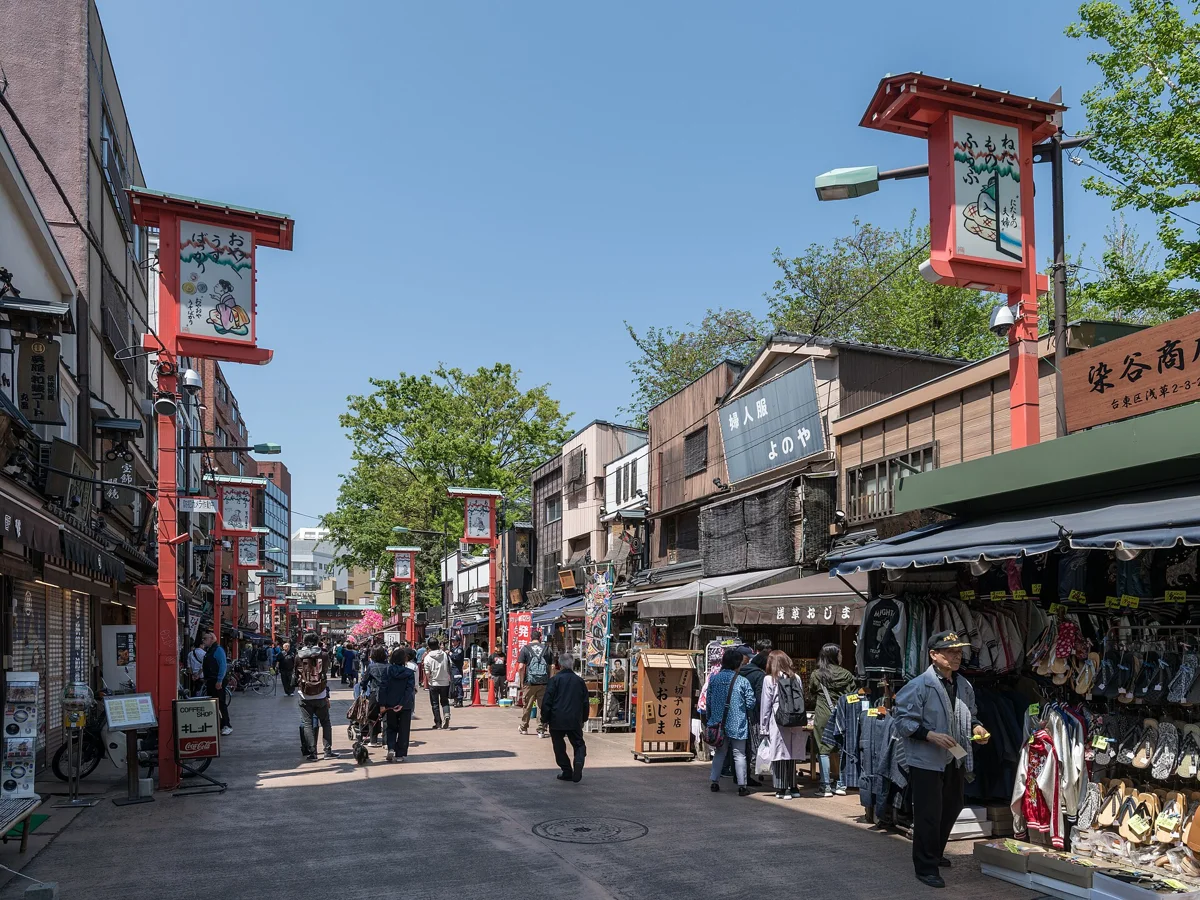

Tokyo pickup options
- Best for
- Airport, station or city starts for the regional drive.
- Trade-off
- A car held through city nights can add parking.
Rental essentials
The short answer
Reserve the exact start and return together, read the fee and check class and island limits. ORIX's current guide requires advance booking and excludes certain place and car combinations.
Compare the trip fit, access and drawback before choosing.
| Choice | Accepted one-way route for an onward trip | Loop or rail-led other option |
|---|---|---|
| Best for | A journey whose arrival and departure are in other places and whose supplier accepts the pair. | A trip where the one-way fee or allowed class does not fit. |
| Good to know | The provider's confirmed offices, class and one-way charge. | Full driving stages for a loop, or the rail journey and later local rental. |
| Trade-off | The fee and restrictions can change the useful car and total. | A loop adds the drive back. |
| Next step | Plan the accepted rental sequence | Compare car and transit stages |
A one-way trip requires the actual office pair to be accepted. The named providers state their own limits, which can affect the class, geography and fee.
| Source | Documented condition | Booking action |
|---|---|---|
| ORIX | Advance booking. Class, geography and office restrictions | Select the actual sites and check the returned surcharge and terms |
| Budget | Different-store return must be requested in advance and can incur a fee | Obtain the accepted return office, not only an informal trip plan request |
| National Centrair policy example | Advance one-way booking, stock and selected return locations | Read the exact offer and confirmed branch pair |
One way car rental in Japan means returning at an agreed office other than pickup. It can fit an onward journey. But the supplier must approve the exact branch pair and car. A list of offices does not show which pairs allow one-way use.
Before judging a one-way quote, check its cover charges against the published Japan rental policy figures. A return-location fee is distinct from NOC.
Start with the arrival and onward departure. A different return can avoid the drive back. But it may add a fee or limit the car class. Compare a loop too. Another plan is rail between the main cities, then a local car.
Use the exact offices, not only city names. The return address determines the final fuel stop, handoff and onward transfer. If the chosen provider cannot accept that pair, change the route or booking before payment.
ORIX says one-way drop-off is unavailable at some sites and can be limited by car height. Its listed system does not offer one-way use between Hokkaido or Okinawa and other prefectures. Read the current selected sites, not a general statement that the company operates nationally.
A booking search that allows another return place is only the start. Check the final agreed pair and car. If you change the return while booking, read the new terms and total before paying.
Get the exact one-way amount for the class and dates. ORIX notes that surcharges can change and that certain campaigns and locations may not offer the service. A fee quoted for another traveller's trip is not evidence for yours.
Read class-exact restrictions. ORIX excludes trucks and minibuses from the one-way service described on its page. A large passenger vehicle request therefore needs its own check, covered in the ten-seater guide.
Compare the one-way total with the same cover and extras in the other option quote. Include the driving needed for a loop, not just its lower apparent fee. The cost guide sets out that like-for-like method.
ORIX's listed rules exclude mainland-to-remote-island and inter-island combinations in its one-way system. A ferry ticket does not settle those rental rules. Other suppliers need their own agreed consent and booking terms.
Do not assume a ferry journey allows a one-way car return at the destination. Check the rental rules, transport and return office separately. If any is unclear, compare distinct local rentals or a passenger-only journey.
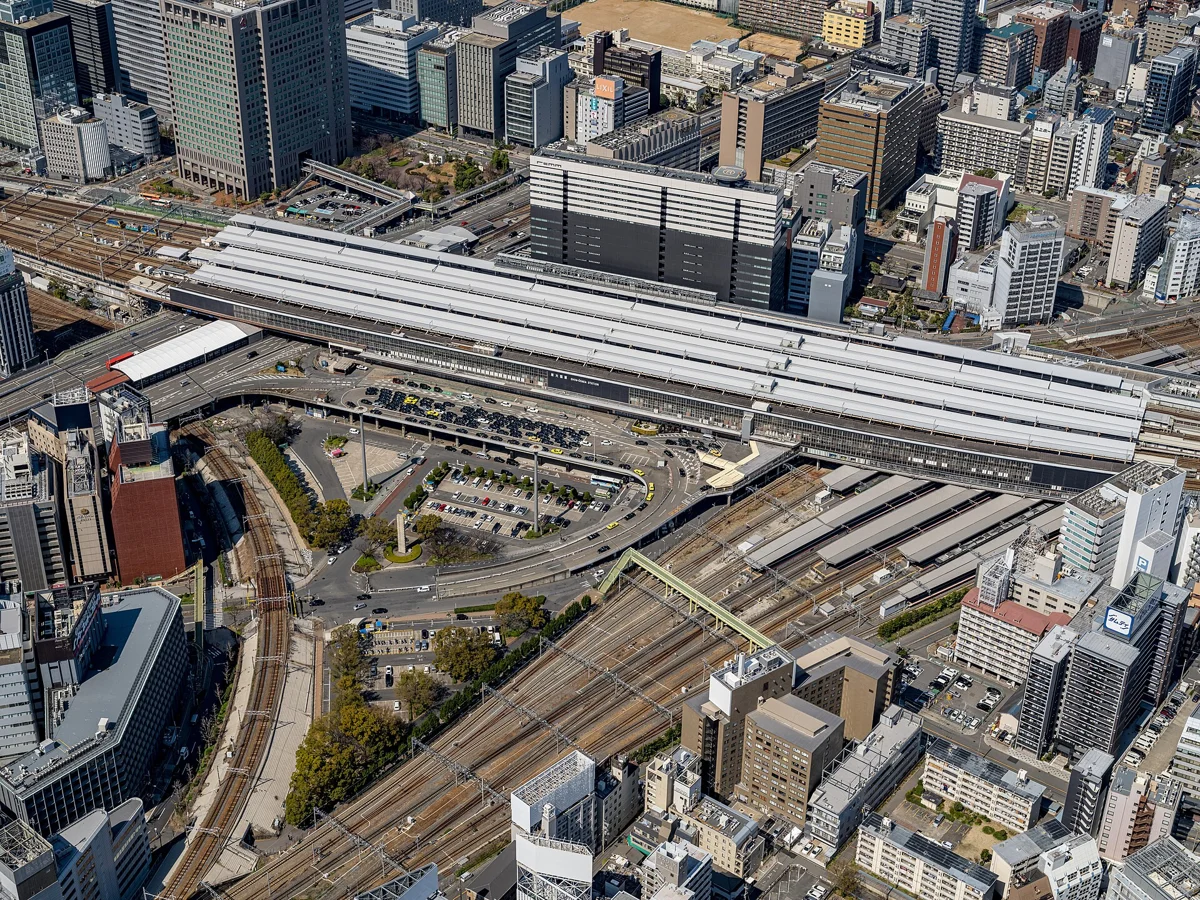
Save the office name, address, agreed time and fuel steps. Ask whether a station-area or airport-area return uses a distinct entrance or transfer. The Shin-Osaka example shows why pickup and return addresses can differ even under one branch label.
Leave time between car handoff and the onward train or flight. If the schedule changes, ask the supplier to amend the contract before returning late or elsewhere. A nearby office is not a substitute without approval.
Use the Tokyo-to-Kyoto guide to compare the exact travel job. Driving can fit useful stops en route. Rail and a local car can avoid a long drive. Compare complete journeys rather than claiming one mode always wins.
If choosing a one-way rental, get the agreed Tokyo and Kyoto offices in the booking. Their city names alone do not show a car, drop charge or usable return time. Keep the final trip plan matched to those office records.
Read your supplier's rules and reserve the exact pair. ORIX lists place, site and class limits, and Budget asks customers to request another-store return in advance. A national office directory or shared brand is not consent. Get the agreed return in writing before you drive.
Obtain the selected class and branch-pair charge for the exact dates. Published rules can distinguish car classes and locations, and some combinations are excluded. A general or earlier fee does not price your booking. Compare the agreed total with a loop. Price the rail-led plan too.
Do not assume it. ORIX's current one-way system excludes mainland-to-island and inter-island combinations. Other providers need their own consent and agreed offices. A ferry booking does not settle the rental restriction. Compare distinct local cars or a passenger journey if the car-transfer plan is not explicitly agreed.
Contact the supplier about the new time or office before acting on the change. Read the amendment terms and retain the agreed response. A changed flight or train does not automatically extend the rental or approve another return. Plan the final fuel and handoff around the amended car agreement.
Set the start and finish together, then read the exact surcharge and restrictions. Compare a loop and a rail-led plan with the same travel inputs. Keep the return office precise from booking through handoff.


