
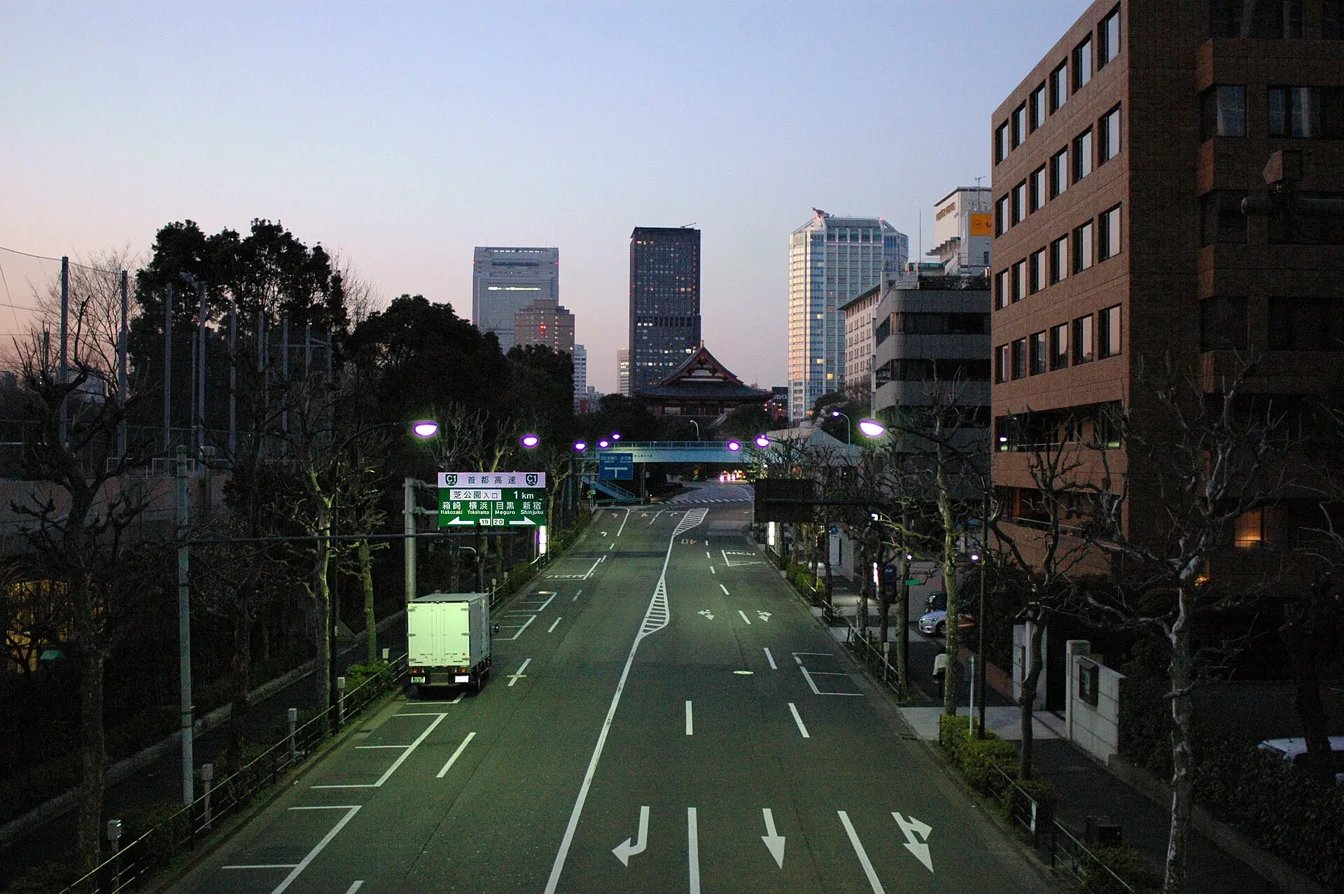

Tokyo pickup options
- Best for
- Airport, station or city starts for the regional drive.
- Trade-off
- A car held through city nights can add parking.
Road rules
The short answer
Learn the stop and no-entry signs first, then distinguish no parking from no stopping or parking. Blue direction arrows can require an allowed route.
Driving signs in Japan should be learned before the first rental journey. Read the symbol, its attached plate and the exact road case together. A familiar colour or a navigation prompt is not enough to settle a restriction.
Start with the action needed or prohibited. Then check any smaller plate underneath. It can find the period, car type or area to which the main sign applies. Read the complete combination before using the road, stopping or parking.
The National Police Agency's chart includes variants and more signs. Open it before travel if the route involves a new restriction. This guide explains the signs most useful for a visitor rental. Use the official chart for the full set.
The diagrams are orientation aids. Colours and proportions are simplified for clear reading. They do not copy a sign at an exact junction. They do not show whether a named road is open today.

The police chart describes a rule to stop before an intersection without traffic control. Do not treat the triangle as only a suggestion to reduce speed. Learn the sign before driving. So the first encounter does not require a last-second translation.
Where a stop line is present, use it with the posted direction and road case. Check for pedestrians and other traffic before proceeding. A car in front continuing without an obvious pause is not evidence that the rule does not apply to you.
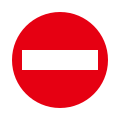
Do not confuse no entry with another red-ring sign. The police chart separately lists roads closed to cars and restrictions on specified types. The centre symbol and any plate matter. A red circle alone is not a full interpretation.
For directional blue arrows, check the allowed directions. The official chart describes signs that prohibit proceeding except in the indicated direction. A route line requesting another turn cannot override that direction. If necessary, take the allowed route and re-plan safely.
Warning signs identify a hazard to prepare for, such as a crossing, curve or slippery road. Read them before reaching the hazard and adjust the driving task. A warning does not prove the road ahead is clear. Other signs and signals still control right of way.
JAF includes examples such as a railway crossing ahead and slippery road. Learn the exact symbol in its reference. Keep seasonal driving and tyre decisions distinct. Recognising a warning is not proof that the car or driver is suitable for each condition it warns about.
If a road notice or closure is present, use the responsible authority's current details. This page cannot show that a mountain road, ferry approach or local route remains open. Read the exact sign and any current route notice before continuing.
For a new route, prepare before leaving the car park. That reduces the chance of trying to decode a new sign while also handling traffic and navigation. A passenger can help with route directions. But the driver still needs to understand the needed action.

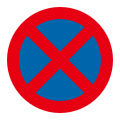
These two directions are distinct in the police reference. Do not turn a short passenger wait into an assumed exception. Read the exact restriction, any supplementary plate and the road case. Use an allowed place when checking navigation or waiting for someone.
The chart also includes time-restricted parking-area signs. Read the displayed period and allowed duration, along with the exact local directions. This reference does not assign a generic time allowance to each roadside space.
At a private or coin car park, the entry, bay and payment notices matter too. A road sign nearby is not the entire parking contract. Check car size and payment before leaving the car. Look for locking plates and height limits.
Read destination and lane details early enough to make a safe choice. A late navigation direction is not a reason to cross suddenly into another lane. If the allowed route differs from the app, follow the road direction and re-plan from a suitable place.
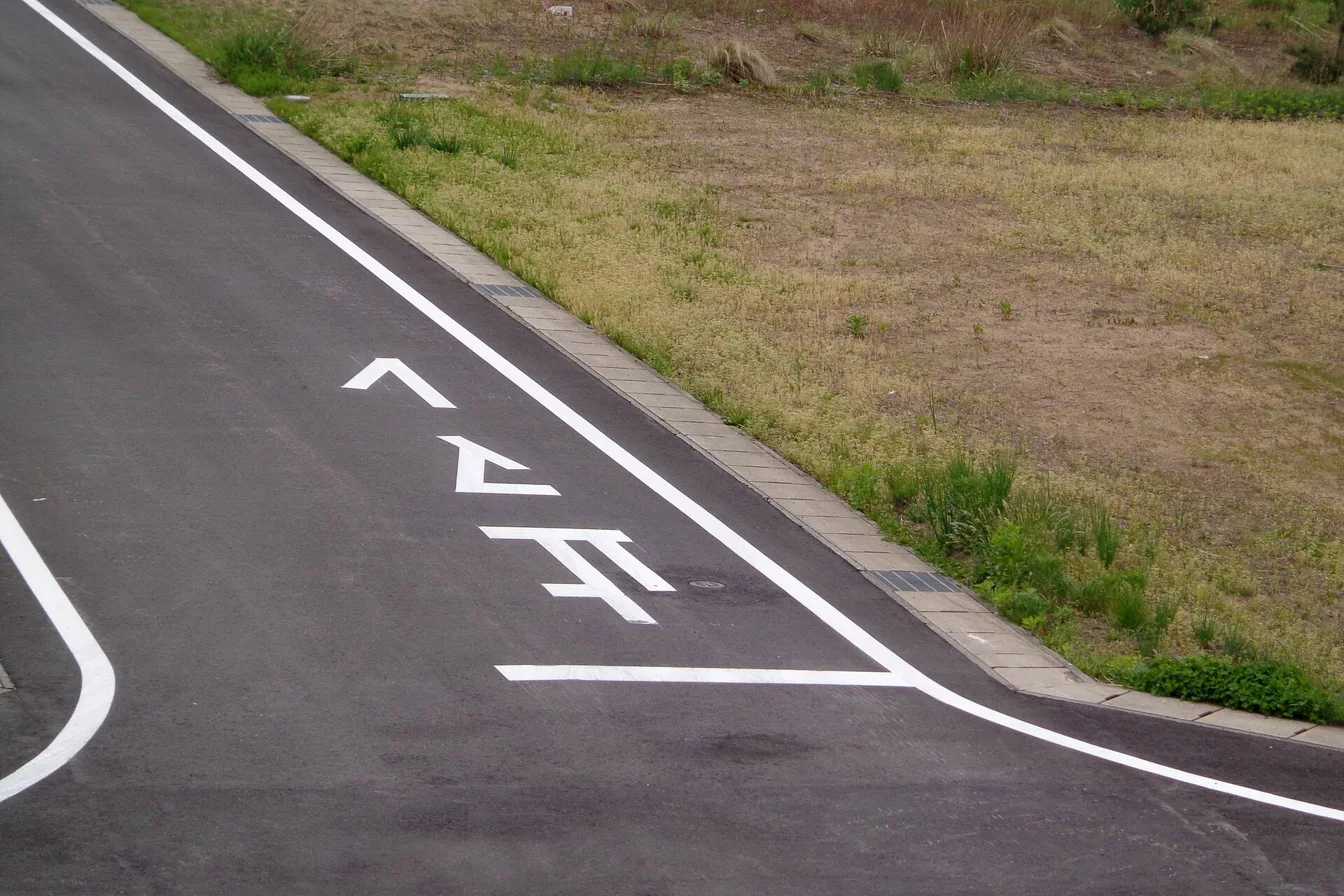
Distinguish an details sign from a regulatory arrow or car restriction. The police chart separates one-way and allowed-direction rules from other sign families. Learn the applicable symbols from the source rather than assuming each arrow has the same legal meaning.
On expressways, lane and equipment notices also affect toll access. Check the exact reader and card at rental handoff. Use the lane matching that plan, rather than guessing from a dashboard device or another driver's route.
Read current road-operator notices for closures and changing restrictions. A saved sign chart explains meanings. But it is not a traffic feed. The driving guide connects sign preparation with route, fuel and incident planning.
| Combination to check | Question before acting |
|---|---|
| Main sign with a time plate | Which displayed period applies here? |
| Main sign with a car symbol | Does the restriction apply to this car class? |
| Sign with an area or extent indication | Where does the rule begin, continue or end? |
| Arrow with lane markings | Which allowed movement does this lane serve? |
| Parking sign with local notices | What stopping, duration and payment rules apply? |
Scroll for more →
This is a reading checklist based on the official chart's main and auxiliary signs. It does not translate an unseen plate or decide an individual road restriction. If the Japanese text or combination is unclear, get the exact rule clarified before relying on the route.
Do not ignore a plate because the main symbol is familiar. It can change the applicable car or period. Likewise, do not apply a remembered plate from one street to another. Read what is posted at the exact point where the decision is made.
Practise the main decisions before the trip. Use the official chart to distinguish stop from a warning, no entry from a car-type restriction, and no parking from no stopping or parking. Say the action the sign requires, rather than just naming its colour. Then read any plate that changes the rule.
Keep a small reference available while preparing the day. Review the signs likely to affect the office exit, first road stage and parking plan. This is not a request to study a chart while at the wheel. If you need to look something up during the drive, reach a lawful safe stopping place first.
If a passenger helps with navigation, agree that a road sign takes priority over the route prompt. A missed turn can be replanned. A forbidden movement cannot be made lawful by the app. Leave room in the schedule to take a detour without rushing.
Avoid guessing your way into a restricted street, lane or parking space. Keep moving only along a clearly allowed safe route, and stop in a lawful place to check. Do not make a sudden stop in traffic to photograph or translate the sign.
Use the police chart for the symbol and the current responsible authority for a local restriction. Ask the supplier about new controls or toll equipment. Those sources answer other questions. A rental desk cannot rewrite a road rule.
If a missed turn changes the route, accept the detour and re-plan safely. A driving day needs enough time for that possibility. Read renting a car in Japan to prepare the pickup, route and return without relying on a perfect first attempt.
Start with stop, no entry and the two parking restrictions. Read attached plates and current signs together. Keep the official reference available during preparation, and check an unclear rule from a safe allowed place instead of guessing in traffic.
