
Shinjuku rental comparison
Pickup-area car hire
- Best for
- A Shinjuku stay or rail arrival followed by an onward drive.
- Trade-off
- Check the actual office and walking route. This comparison does not guarantee SIXT's Shinjuku Center building pickup.
Tokyo
The short answer
Choose the office that fits your stay or rail arrival. SIXT uses the west-side Shinjuku Center approach via A36 or A53.
Pickup-area car hire
Compare the trip fit, access and drawback before choosing.
| Choice | SIXT's west-side building pickup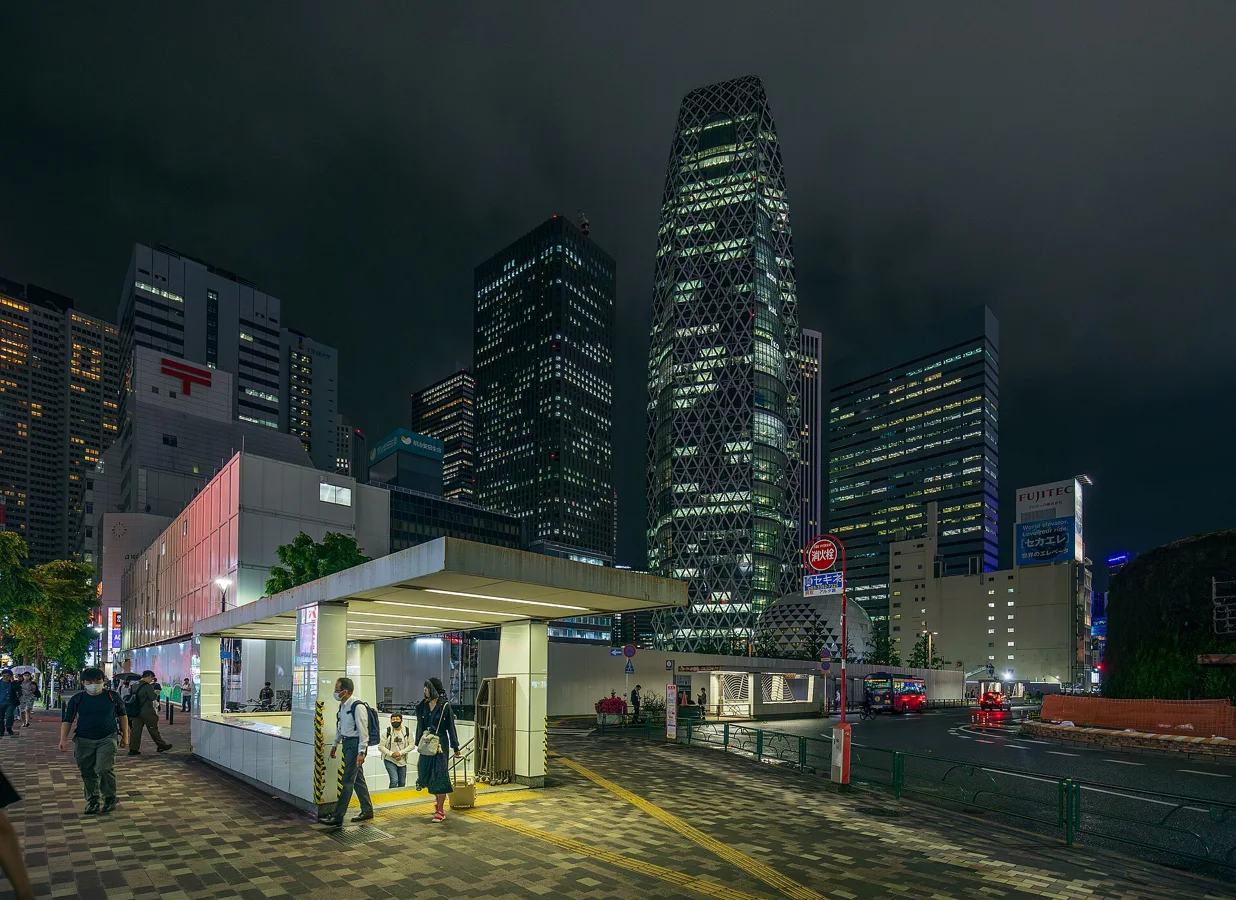 | Another named Shinjuku office by street address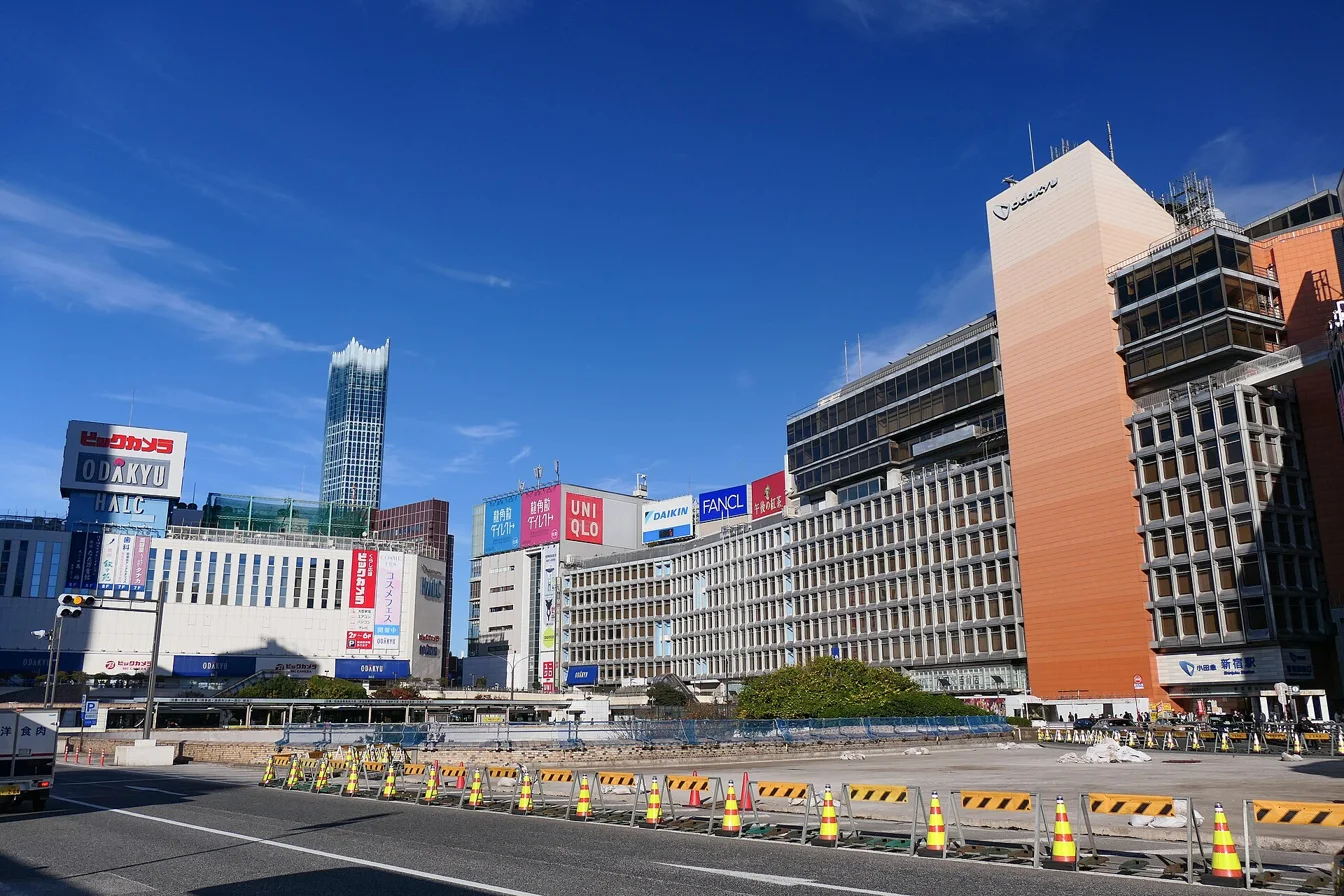 |
|---|---|---|
| Best for | A booking whose Shinjuku Center approach fits the stay or rail arrival. | A traveller whose accepted office is elsewhere in the area. |
| Good to know | SIXT publishes the B1 ORIX counter and B2 parking or return in Shinjuku Center. | National lists its Yasukunidori branch at 5-6-1 Shinjuku. |
| Trade-off | Counter and car are on other levels. | Do not apply Shinjuku Center's exits or basement levels to that distinct office. |
| Next step | Prepare a building-level handoff | Compare the Tokyo branch plan |
Car rental at Tokyo Shinjuku needs a branch and building level. A station pin is not enough. SIXT's example has a basement counter and another parking level. The Yasukunidori branch is at a different street address. Save the approach for your booked office.
Match the booking to the building and street address. A broad station-area search can show several offices. Choose from the place you will leave with bags, then check the route to the actual counter and later to the car.
If the earlier Tokyo days do not need a car, compare starting the rental here at the end of the stay. The Tokyo rental guide compares that with airport pickup. The car should start where its useful driving job begins.
| Field | SIXT Shinjuku Station example |
|---|---|
| Address | Shinjuku Center Building, 1-25-1 Nishi-Shinjuku |
| Published station approach | West exit. A36 and A53 connect to Shinjuku Center |
| Counter | ORIX Rent-A-Car, B1 |
| Parking or return | B2 of the building |
| Published hours | 08:00 to 20:00 |
| Source | Official branch page |
Scroll for more →
The exit labels are the provider's listed orientation. Check current station and building directions before travel. A construction or access change can affect the walk, and the office's estimate does not include each platform or bag movement.
If step-free access is needed, check the appropriate station and building route. A direct underground connection does not separately prove each leg fits that need. Give the supplier the actual rule before reserving.
Set the pickup time after leaving the platform and reaching the counter. Then allow for the contract, car check and move to the parking level. A station arrival time cannot be used as the car's departure time.
If a train delay threatens closing, contact the booked provider and follow its terms. Ask about that case before payment where the schedule is tight. A nearby city office does not guarantee late handoff.
Check the luggage with all seats occupied. Check any child seats and the actual class, especially if a replacement is supplied. A larger car can add another driving-class and parking question. So do not accept a change without inspecting those points.
Learn the car and set the first route while parked. Keep the first city stage modest. A late navigation prompt is not a reason for a sudden move. Continue on a safe lawful route and re-plan from a suitable stopping place.
For the SIXT example, keep B2 parking or return distinct from the B1 counter. Save the actual car entrance and fuel directions at handoff. Do not navigate only to the pedestrian station exit used on arrival.
Plan onward rail travel after unloading and car check. If the return office or time changes, ask for an accepted amendment. Another branch in Shinjuku is not a substitute merely because it is nearby.
Choose from the stay or train before the drive. The Tokyo Station guide gives a Yaesu-side desk example. Compare the bag route and later car exit. A familiar station name alone does not settle which office fits.
If an airport is the actual start, use Haneda or Narita directions instead. A city office can still be useful later. But it needs its own transfer and timetable.
Use the permit guide and rules checklist. Verify the full driving period and all drivers before payment. Then read your supplier's cover, payment and cancellation conditions.
Keep the accepted office, class and return together in the booking record. If one changes during the search, check the updated terms. The branch comparison cannot supply a missing contract condition.
Use the booked branch's route. SIXT's example uses Shinjuku Center on the west side. National's Yasukunidori office has another address. There is no shared entrance implied by “Shinjuku”. Save the building and counter level before travel.
No. SIXT lists the counter at B1 and parking or return at B2. Add the move between them to your plan. Read the current entrance route too. Ask about it if bags or an access need could make that move difficult.
Get the supplier's agreement first. Nearby offices are not free choices for return. Check any fee or limit and keep the agreed change. The new office can also alter the route with bags to your train or stay.
Continue along a lawful route. Stop safely before changing the plan. Do not make a sudden move for a late navigation prompt or handle the phone while driving. Set a simple first stage at pickup and allow for a detour.
Choose the exact office, then separate the pedestrian approach, counter and car entrance. Save the return level and fuel process at pickup. That makes the station-to-road transition clear before the train arrives.

